



 0 Commentа
 Printing
 07.11.25
 30.08.21
THE COMPLETE GUIDE FOR THE CREATIVE PERSON
We often hear people say, “I want to do something creative, but I’m not an artist.” Art as a hobby is meant for everyone. Many people’s exposure to art is limited to the art classes they took during school, and they often see art as something reserved only for the artistically inclined, but this is far from the truth.
In art, there is no right or wrong. If you have the urge to create and explore—and a bit of patience—art can be embraced as a hobby at any age. Some of the reasons we recommend engaging in art as a hobby are as follows:
As Thomas Merton once said, “Art enables us to find ourselves and lose ourselves at the same time.” This is so true, because when we engage in painting or another form of creative hobby, we can express our innermost emotions.
It serves as a break from everyday life and its deadlines. We can channel all our energy into creating something beautiful, helping us relax, calm down, and stay present in the moment.
How does creativity improve through artistic work?
Concentration – Art as a hobby helps us develop focus. While working on an artistic project, we tend to concentrate our minds on the task at hand, which in turn helps improve our attention span.
Patience – Every art project, from a small sketch to a large painting, takes time and effort. During the process, we learn to enjoy the steps and develop patience as we wait for the final result.
Hand-eye coordination – Art helps improve coordination between the hand and the eye. It teaches us to visualize things and translate our imagination onto paper, canvas, or other materials.
A sense of accomplishment – Whether you wish to showcase your masterpiece to others or keep it to yourself, nothing compares to the feeling of achievement you experience upon completing a project successfully. Compliments from others are just the cherry on top.
Problem-solving and attention to detail – Creativity challenges us to strive for perfection. Each new project is a challenge, and we must decide how to approach it—what materials to use, which techniques to apply, and how to correct mistakes.
In this process, we learn problem-solving and an eye for detail, which help us in everyday life.
Having a creative mind allows us to make new and exciting things and engage in ways that bring us closer to realizing our full potential.
.jpg)
What should we know about a creative personality?
Creative people possess opposing traits that interact with one another in complex ways, influencing a person’s overall creativity. Incorporating creative practices into your daily life can help you increase your creative potential.
They are organized and focused
Creative people tend to have a great deal of energy, both physical and mental. They can spend hours working on a single task that captures their attention, yet remain enthusiastic throughout.
Having a creative mind does not always mean being constantly engaged in artistic work. Creative individuals are imaginative and curious, spending time in quiet reflection, allowing their minds to wander and explore new ideas.
They are intelligent yet naive
Creative people tend to be intelligent, but research shows that having a very high IQ is not necessarily linked to higher creative achievement—personality traits matter just as much.
Balancing creativity with practical knowledge means knowing which ideas to pursue and which to refine or abandon. This skill set is an essential part of being a creative person.
They are playful yet disciplined
When working on a project, creative people tend to show determination and persistence. They can work for hours, often staying up late into the night, until they are satisfied with their work.
They are realistic yet imaginative
Creative people love to dream and imagine the possibilities and wonders of the world. They can immerse themselves in imagination and fantasy while staying grounded enough to turn their dreams into reality. They are often described as dreamers, but that doesn’t mean they have their heads in the clouds.
.jpg)
What if we told you that crafts can be more than just a hobby?
Building an online craft business allows you to use your passion and turn it into something profitable. Later, you can decide whether you want to pursue it full-time or treat it as a side hustle that earns you extra income.
Creative individuals remind us that it doesn’t matter if it has been two months or if you don’t even know where to start. Wherever you are in your creative journey, these tips will surely help boost your creativity and get you back on track.
The importance of staying inspired
Inspiration is key. Always. You might be thinking, “Isn’t that what we’re all trying to do?” If that’s you, congratulations — you are one step ahead.
But you’d be surprised at how many people don’t even know what it feels like to be inspired, or, if they do, they don’t make time for it.
So, let us ask you — do you take time during your day to do what makes you feel inspired? Do you even know what inspires you? Do you value seeking inspiration as much as the act of creating? If not, try it.
What should a creative person possess to fully express themselves in their projects?
The ability to see the bigger picture is important in many areas of life. Whether it’s a personal matter or a work project, it’s easy to get bogged down and lost in the details.
Being creative and letting your mind wander is like taking a walk in the forest. Instead of stopping to focus on one patch of moss, keep walking along the path and explore the woods.
Creative people have open, active minds. They are constantly learning from ideas and drawing inspiration from the world around them. This often makes them more productive, as they bring more to the table than someone who doesn’t open their mind to new possibilities.
Creative people are always looking for new ways to solve problems, leading to innovation and improved efficiency. This is a valuable skill in any field.
The mind can be a chaotic place. You may feel like you’re chasing one thought after another, like a dog chasing every car it sees. Traditional ways of outlining your thoughts and emotions can often be too linear and fail to capture what’s truly happening.
More creative methods, such as journaling, mind mapping, or even drawing, allow you to release the contents of your mind without limitation. When you stop judging yourself and let your thoughts and feelings flow freely, you gain greater clarity and understanding.
.jpg)
Every creative person needs space and quality materials to bring their projects to life!
A good rule of thumb is to create a dedicated workspace—a craft room, desk, or table works perfectly. This area should be the only place where you work on your crafts. Don’t spread your craft projects all over the house.
Clutter makes it much harder to concentrate on your project. It’s also much easier to stay organized when you keep your crafting supplies in one place.
Keep your most-used craft supplies in plastic bins or open containers near your workspace and within easy reach. There’s nothing more frustrating than trying to finish a craft project and having to stop to search for scissors or that elusive glue gun.
| Daya (Daya) | Daya |
 I am a huge enthusiast of creating new handmade beauties, whether it is with beads, paper and pen, canvas and acrylic, or yarn. Every form of art or intricate crafting brings additional inspiration! If you are curious about what else we can make and craft with art and craft materials, stay tuned for updates in the blog and, of course, feel free to share your ideas!
| All articles on Daya |
Rate the article 5/5 from 2 grades. |
|
| You have already voted for the article | |
Recommended articles
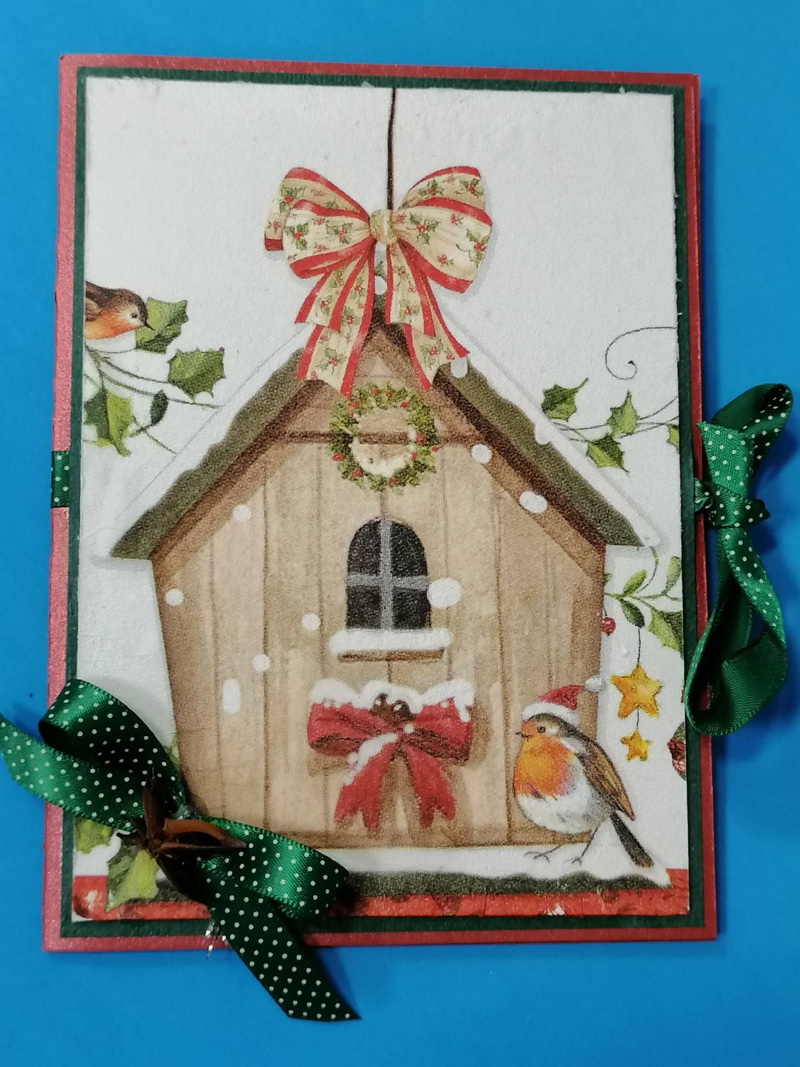 HANDMADE CHRISTMAS CARD
 WHAT DO WE KNOW ABOUT A HEMATITE PENDANT AND HOW TO COMBINE IT?
 DECORATIONS FOR VALENTINE DAY
 Crafting Stunning Epoxy Resin Jewelry by Capturing the Beautiful Essence of Nature
 0 Comments

| 0 |

| 0 |

| 0 |

|

| 0 |

|
 Subscribe ♥
SEARCH

|

|
Categories
 New
New

Recent Posts
WHY DOES THE COLOR OF A CRYSTAL MATTER?
WOOL FOR FELTING
ADHESIVES FOR ALL YOUR CREATIVE PROJECTS
The Divine Interplay of Colors, Chakras, and Crystal Gems
Discover the Power of Your Birthstones by Month, Zodiac Sign and Day of the Week
5 Glamorous and Sparkly Halloween Makeup Ideas for Women
3D MANDALA WALL DECORATION IDEA
Recent comments
BroGroup за Discover and Master the Art of 3D Pen Drawings - A Step-by-Step Guide for 2D and 3D Objects and Sculptures
Dawn Sullivan за IN THE WORLD OF QUILLING ART
Laura за THE ULTIMATE GUIDE TO CLEANSING AND CHARGING GARNET
JER за Discover and Master the Art of 3D Pen Drawings - A Step-by-Step Guide for 2D and 3D Objects and Sculptures
november birthstone за Discover the Power of Your Birthstones by Month, Zodiac Sign and Day of the Week
