



 0 Commentа
 Printing
 03.11.25
 07.02.22
HISTORY OF THE QUILLING TECHNIQUE
What is quilling?
Quilling is also known by many names – paper rolling, paper scrolling, filigree, and mosaic. Although this craft is called by different names and has a rich history of quilling, the definition of quilling is simple. Quilling art is a form of handmade art.
It uses strips of paper that are rolled, shaped, and glued together to create beautiful designs. Despite its simplicity, there are no limits to creativity with the quilling technique. Paper quilling art has been applied to many designs, from small, charming cards to beautiful framed artworks and more.
Why is it called quilling?
The word “quilling” refers to the goose feather quill tool that was originally used to roll strips of paper. This evolved into paper filigree when nuns began using paper instead of gold and silver threads to create quilled art.
Why do so many people love quilling?
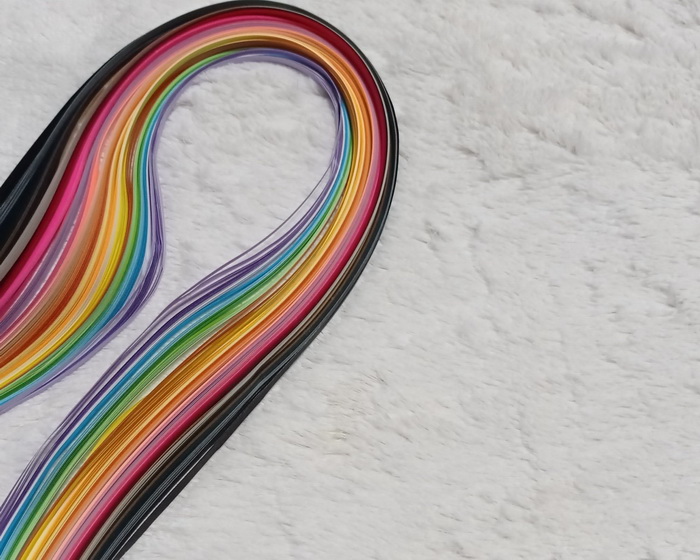
The most appealing aspect of quilling is the balance between its limitations and simplicity. You don’t need years to learn this craft. Creative ideas, two skillful hands, colorful paper strips, a quilling needle, and glue are all you need to start your first project. Interesting, isn’t it?
LET’S TALK ABOUT THE HISTORY OF QUILLING
Where did quilling originate?
Because of quilling’s long history, there is no clear documentation on how the art of quilling actually began. Most people know that quilling started after the invention of paper in China, while others claim it originated in ancient Egypt. Regardless of its origin, quilling has spread all over the world.
The journey of quilling through time
For example, around 300–400 AD, people used quilling techniques to wrap silver and gold threads around columns and vases, combining them with gemstones. By the 1200s, this art form became very popular, until colored metals like silver and gold became more difficult and expensive to craft.
Colored paper later replaced metals for its practical and economical benefits. Some documents record quilled paintings from the 1200s, but quilling became more prominent when French and Italian nuns rolled paper strips taken from Bibles to decorate relics and holy images, adding gilding and ornate details.
During their leisure time, women practiced quilling art throughout the 1600s and 1700s. In the Stuart period, quilling gained popularity in the early 1700s and continued into the Georgian era of the 1800s.
In Europe and England, quilling became a fashionable hobby among young women and was even taught in schools.
Young ladies would demonstrate their skills by decorating cabinets, tea tables, card tables, toolboxes, wine vases, and furniture with quilled paper art. Only women of the upper class had the time and resources to practice such a delicate form of art.
This art form was especially popular during the Regency era of the 1800s, but later faded toward the end of the century. Some attempts to revive it failed, but immigrants brought quilling to North America, where it evolved and has been revived today.
APPLICATIONS OF QUILLING IN ART
TOP 1 ~ QUILLED CARDS
The greeting card is the most popular application of quilling. People love to preserve good memories, and the best way to do that is through a handmade greeting card.
Paper quilling cards are among the best ways to preserve cherished memories, thanks to their intricate designs and handcrafted value. You can always keep a card, frame it, and turn it into a beautiful decoration piece.
TOP 2 ~ QUILLED WALL ART
Quilled wall hangings always carry great value for their owners. Large wall pieces usually require many hours of handwork from the artist.
Depending on the complexity of the design, a project may take anywhere from one day to several weeks. That’s why home decoration is one of the best applications for quilling.
TOP 3 ~ BOOKMARKS
Are you or your friends book lovers? Then a quilled bookmark is the perfect choice for you. Flipping through pages becomes so much more enjoyable with a beautiful, handmade quilled bookmark.
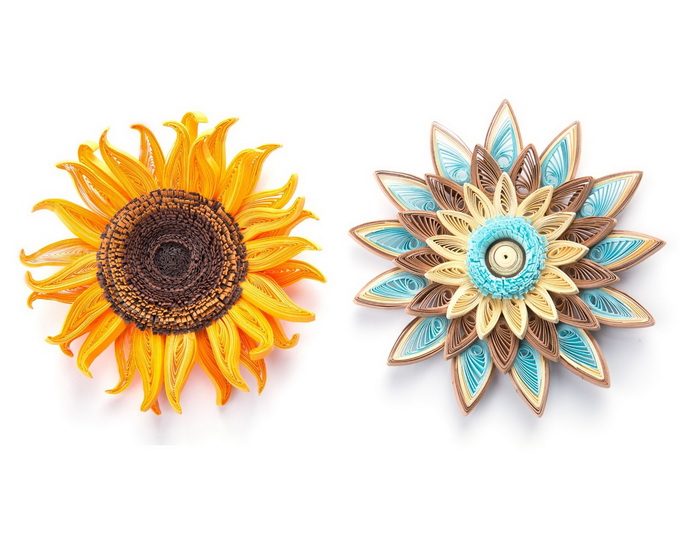
TOP 4 ~ QUILLED JEWELRY
Jewelry is an essential accessory for every woman, especially earrings. Although earrings are made from many different materials, paper remains one of the most unique choices that speaks volumes about its wearer.
This is why quilled earrings rank among the top choices in quilling applications. Who can resist beautiful handmade paper jewelry?
TOP 5 ~ QUILLED MAGNETS
Do you love traveling? Exploring new countries and cultures always brings joy and excitement. During our trips, we never forget to buy souvenirs for our friends and ourselves as reminders of our adventures.
For many, these souvenirs serve as little achievement badges marking their journeys. Magnets are one of the best gift ideas for loved ones. Therefore, quilled magnets make a perfect creative choice.
Although its exact origin remains a mystery, it is believed that the art of quilling originated in Ancient Egypt and was later practiced by nuns. Over time, quilling became popular as an art form during the Renaissance in France and Italy, and in 18th-century England.
During the Renaissance, French and Italian nuns and monks used quilling to decorate book covers and religious items.
The most commonly used paper came from strips cut from the gilded edges of books, which were rolled into intricate shapes.
Quilling often imitated the metal filigree of the time. In the 18th century, quilling became popular throughout Europe, where well-bred ladies practiced it as a refined pastime.
It was considered one of the few activities appropriate for women, as it was believed to be neither too demanding for their minds nor their delicate dispositions. Quilling also spread to America, where several examples still exist from colonial times.
Many quilling artworks can be found on:
- cabinets and stands
- dollhouses
- ladies’ purses
- a variety of paintings and frames
- work baskets
- tea chests
- coats of arms
- wine coasters
Storage boxes, often larger than jewelry boxes, with drawers or lids that open, quilled keepsake boxes, and quilled jewelry have recently become a fashion trend for those who love lightweight, artistic accessories.
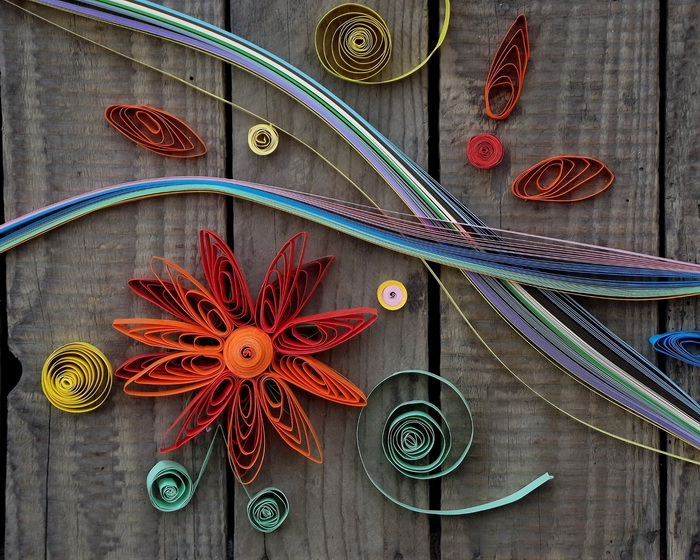
Some items are specially designed for quilling with recessed surfaces, and quilling is often combined with other techniques such as embroidery and painting.
Today, quilling is experiencing a revival in popularity. It is often used to decorate wedding invitations, Christmas cards, birth announcements, greeting cards, scrapbook pages, and boxes. Quilling can be found in art galleries across Europe and the United States and is a craft practiced all over the world.
Quilling is relatively easy to learn compared to most other crafts, and with today’s available resources, it can be mastered by almost anyone.
Basic quilling techniques can be learned virtually anywhere, and there are many online videos that teach you how to start quilling. There are also more advanced and exotic quilling styles that are not usually taught in classes but can be learned from books that cover specific techniques.
| Daya (Daya) | Daya |
 I am a huge enthusiast of creating new handmade beauties, whether it is with beads, paper and pen, canvas and acrylic, or yarn. Every form of art or intricate crafting brings additional inspiration! If you are curious about what else we can make and craft with art and craft materials, stay tuned for updates in the blog and, of course, feel free to share your ideas!
| All articles on Daya |
Rate the article 5/5 from 3 grades. |
|
| You have already voted for the article | |
Recommended articles
 Learning the Basics on How to Draw a Mandala
 5 Glamorous and Sparkly Halloween Makeup Ideas for Women
 WHO SHOULD WEAR GREEN AMETHYST?
 0 Comments

| 0 |

| 0 |

| 0 |

|

| 0 |

|
 Subscribe ♥
SEARCH

|

|
Categories
 New
New

Recent Posts
WHY DOES THE COLOR OF A CRYSTAL MATTER?
WOOL FOR FELTING
ADHESIVES FOR ALL YOUR CREATIVE PROJECTS
The Divine Interplay of Colors, Chakras, and Crystal Gems
Discover the Power of Your Birthstones by Month, Zodiac Sign and Day of the Week
5 Glamorous and Sparkly Halloween Makeup Ideas for Women
3D MANDALA WALL DECORATION IDEA
Recent comments
BroGroup за Discover and Master the Art of 3D Pen Drawings - A Step-by-Step Guide for 2D and 3D Objects and Sculptures
Dawn Sullivan за IN THE WORLD OF QUILLING ART
Laura за THE ULTIMATE GUIDE TO CLEANSING AND CHARGING GARNET
JER за Discover and Master the Art of 3D Pen Drawings - A Step-by-Step Guide for 2D and 3D Objects and Sculptures
november birthstone за Discover the Power of Your Birthstones by Month, Zodiac Sign and Day of the Week
