



 0 Commentа
 Printing
 04.11.25
 10.01.22
THE BEAUTY OF ANTIQUE JEWELRY
The earliest period of classical antiquity occurred before the reappearance of historical sources following the collapse of the Bronze Age. The earliest Greek alphabetic inscriptions date back to the first half of the 8th century.
It is generally accepted that Homer lived during the 8th or 7th century, and his lifetime is often regarded as a marker for the beginning of classical antiquity.
The Archaic period followed the Greek Dark Ages and saw the rise of democracy, philosophy, theater, and poetry, as well as the revival of written language (which had been lost during the Dark Ages).
The ceramic styles from the later part of the Archaic era include black-figure pottery, which originated in Corinth during the 7th century BC. Its successor was the red-figure style, developed by Andokides around 530 BC.
Antique Beads Are Impressive
Antique beads and jewelry are, by definition, a limited and diminishing resource. Understandably, designers who know the best places to find them usually keep their favorite sources a closely guarded secret.
So when you begin designing jewelry, it takes many years of hard work and research to discover the best hidden sources of true vintage beads, stones, seed pearls, findings, filigree, stampings, and high-quality reproduction retro jewelry components.
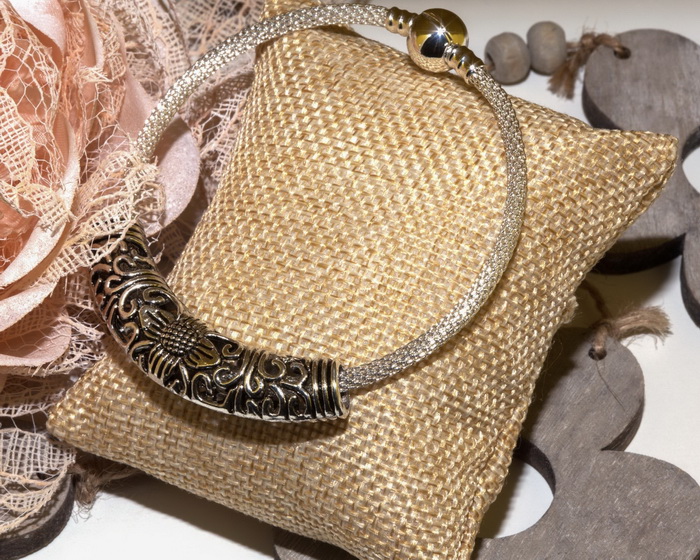
We at EM ART decided to give you the opportunity to discover some of our favorite sources for those who love to work with retro jewelry materials. Some of them are well known among designers in the industry, while others are lesser-known gems.
What Makes Antique Beads So Desirable Among Creators?
The beautiful colors and special effects of beads produced decades ago are simply not the same today. Modern coatings use cheaper materials and processes compared to the old vintage finishes with special effects.
Now that the focus is on lead-free crystal, it is hard to imagine that even modern crystal beads will have the same clarity and sparkle as lead glass. The antique beads and components at EM ART are great, fun, funky, and lightweight, making them ideal for bold, statement jewelry designs.
As a culture, we are fascinated by objects that belong to a bygone era. Classic cars, first-edition books, Old Master paintings, and grand homes passed down through generations are considered significant, beautiful, and valuable.
Jewelry is no exception. Beyond the beauty and refined elegance of antique pieces, there is something magical about jewelry with a past — and it also makes a very good investment.
Here are our top 2 reasons to prefer antique and vintage jewelry:
- No. 1. They are irresistible – for those who love and collect jewelry, there is a romantic, mystical beauty to vintage and antique pieces that is practically impossible to match today.
Often handcrafted by skilled artisans with great attention to detail, the fine luster and old-world techniques are unmatched by modern design.
- No. 2. The quality is superior – today, most modern jewelry is cast. Antique and vintage jewelry were almost always handcrafted or, at the very least, hand-finished.
Even in modern high-end pieces, it is almost impossible to find the same level of craftsmanship and quality as we regularly see in older jewelry.
In the past, jewelry was produced by highly skilled artisans who took great time and care to create custom pieces for wealthy clients. As a result, the craftsmanship is often more refined than even the best jewelry made today.
When it comes to antique jewelry, many pieces were unique creations crafted by master jewelers for members of the upper classes.
Design and Settings of Antique Jewelry
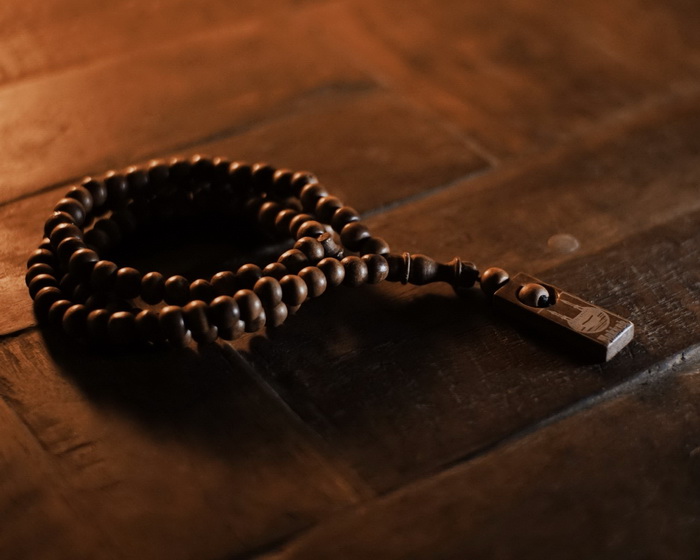
Authentic jewelry from antiquity is extremely rare and valuable. Many such pieces are housed in museums and state collections. When a high-quality antique piece appears on the market, it commands high prices, especially if it features large gemstones or an unusual history.
The history of jewelry design begins with some of the most advanced ancient civilizations, and we can trace its development through time.
Ancient Jewelry of the Middle East
The art of making jewelry—beyond the primitive use of items like beads and shells—has its roots in ancient Mesopotamia about 4000 years ago. In ancient Mesopotamia, jewelry was crafted to adorn both humans and statues of gods.
Although jewelry was typically made from thin sheets of gold, various intricate metalworking techniques were also used, such as engraving, granulation, and filigree.
Jewelry was often inlaid with a variety of colorful stones, including agate, jasper, lapis lazuli, and carnelian. Typical motifs included cones and spirals, leaves, and grape clusters.
In a 20th-century discovery described as the greatest find since the Tomb of King Tutankhamun, hundreds of burial sites were excavated near the ancient mouth of the Tigris and Euphrates rivers.
Classical Style and Jewelry of Ancient Greece
Greece has a long history of decorative art spanning about 5000 years. The Minoan civilization, centered on the island of Crete, flourished between 2700–1450 BC, before being overtaken by the Mycenaeans.
It is known that the Minoans wore gold jewelry in the form of pendants, rings, and earrings decorated with animal motifs.
The jewelry was designed to resemble natural objects and often depicted birds, flowers, leaves, animals, and images of gods such as Aphrodite, Hermes, Perseus, Athena, Eros, and Nike.
During this period, jewelry often featured filigree work and enameling. Gemstones were well-known in classical Greece, and, much like the Egyptians before them, the Greeks attributed talismanic and healing powers to them.
Antique-Style Beads Strung in Symmetrical Designs
The easiest way to create antique-style jewelry is to use authentic retro beads and components in a simple necklace, bracelet, or pair of earrings.
A hallmark of many necklaces with beads from the 1950s, 60s, and 70s are symmetrical designs with small groups of larger beads spaced along the strand using metal spacer beads to break up the glass beads.
Most of the beads in a necklace, including glass pearls and textured metal spacers, are genuine vintage pieces.
The large coral glass focal beads are extremely rare, but even using a few distinctive, authentic post–World War II beads as focal points can give the design a distinctly antique appearance.
Memory Wire Coil Bracelets
Another simple way to create jewelry with an antique look is to cut a section of memory wire with several coils and string antique beads of various sizes and shapes.
In one bracelet, you can combine antique and modern beads to create a wide cuff-like bracelet with dangling beads at each end.
Random or Planned Design
The easiest approach is to string a mix of coordinating and complementary antique beads in a somewhat random pattern that pleases your eye. Alternatively, planning which beads to use and in what order allows you to infuse more of your artistic voice into your antique memory wire bracelets.
Use Variety to Create Visual Interest
Mixing different sizes, colors, finishes, textures, patterns, and solids can make your antique bead jewelry design more engaging and distinctive. This is also a chance to express your voice as a jewelry artist.
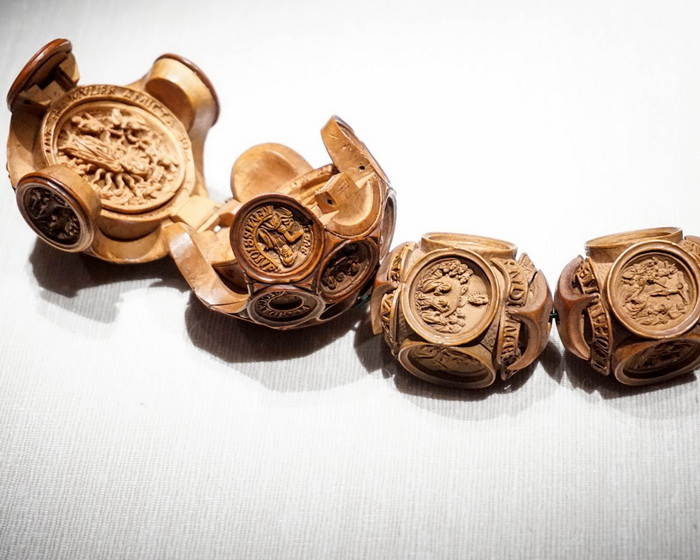
Classification of Antique Ornaments
Depending on the history and stylistic period of jewelry, we can distinguish the following types of pieces.
Baroque-Style Jewelry
This style is characterized by restrained grandeur and vivid opulence. Filigree patterns, large, massive details, and inlays of pearls and gemstones were used, with a strong emphasis on pendants.
Gold Jewelry in Rococo Style
Graceful frames and various types of gold were used. These antique pieces often featured diamonds set in the "pavé" style, allowing the stones to be placed as closely together as possible.
Soviet Jewelry
This style is defined by simplicity and even a touch of naivety. Large, slightly rough gemstones were set in gold and silver. Rubies, amber, and cubic zirconia were commonly used for inlays.
| Daya (Daya) | Daya |
 I am a huge enthusiast of creating new handmade beauties, whether it is with beads, paper and pen, canvas and acrylic, or yarn. Every form of art or intricate crafting brings additional inspiration! If you are curious about what else we can make and craft with art and craft materials, stay tuned for updates in the blog and, of course, feel free to share your ideas!
| All articles on Daya |
Rate the article 5/5 from 1 grades. |
|
| You have already voted for the article | |
Recommended articles
 LOOM BANDS THE NEW GLOBAL TREND
 THE MAGIC OF HANDMADE GIFTS
 THE MIRACLE OF AGATE AND THE ENERGY IT BRINGS YOU
 DECORATIONS FOR VALENTINE DAY
 0 Comments

| 0 |

| 0 |

| 0 |

|

| 0 |

|
 Subscribe ♥
SEARCH

|

|
Categories
 New
New

Recent Posts
WHY DOES THE COLOR OF A CRYSTAL MATTER?
WOOL FOR FELTING
ADHESIVES FOR ALL YOUR CREATIVE PROJECTS
The Divine Interplay of Colors, Chakras, and Crystal Gems
Discover the Power of Your Birthstones by Month, Zodiac Sign and Day of the Week
5 Glamorous and Sparkly Halloween Makeup Ideas for Women
3D MANDALA WALL DECORATION IDEA
Recent comments
BroGroup за Discover and Master the Art of 3D Pen Drawings - A Step-by-Step Guide for 2D and 3D Objects and Sculptures
Dawn Sullivan за IN THE WORLD OF QUILLING ART
Laura за THE ULTIMATE GUIDE TO CLEANSING AND CHARGING GARNET
JER за Discover and Master the Art of 3D Pen Drawings - A Step-by-Step Guide for 2D and 3D Objects and Sculptures
november birthstone за Discover the Power of Your Birthstones by Month, Zodiac Sign and Day of the Week
