



 0 Commentа
 Printing
 08.11.25
 22.07.21
INTERESTING FACTS ABOUT NATURAL AND IMITATION STONES
What Is the Difference Between Natural and Imitation Stones?
At EM ART, you will find all kinds of jewelry made from natural and imitation stones!
Natural stones have two origins: mineral (found in rocks, pebbles, and gravel) and organic (found in animals and plants), both of which allow the stone to develop naturally.
Imitation stones are formed in laboratories and are man-made, while natural stones are sourced from around the world — from mines, the seabed, and similar places. Their structure, however, is similar to that of their natural counterparts.
Imitation stones look similar to natural or semi-precious stones but are made from cheaper materials (such as glass or resin). Their physical properties also differ from the stones they are designed to imitate.
Imitation stones are usually easier to distinguish from natural ones than synthetic stones. For example, cubic zirconia, rock crystal, colorless topaz, and moissanite imitate diamonds.
The main difference between them is the price — generally, the natural variety is more expensive (although cultured pearls can be pricier than freshwater ones). Knowing and recognizing the difference between these categories is essential.
You can find our range of natural stone jewelry in EM ART’s physical stores as well as online.
According to the Gemological Institute of America, any gemstone — whether created by nature or in a laboratory — can be classified as “genuine” if it has an identical mineral composition. This means that synthetic gemstones may be sold as “real,” but not as “natural.”
To be labeled as natural, the stone must be produced by nature. Learn the differences between lab-created and natural stones to make better purchasing decisions, even when sellers may try to confuse you by labeling both types as “real.”
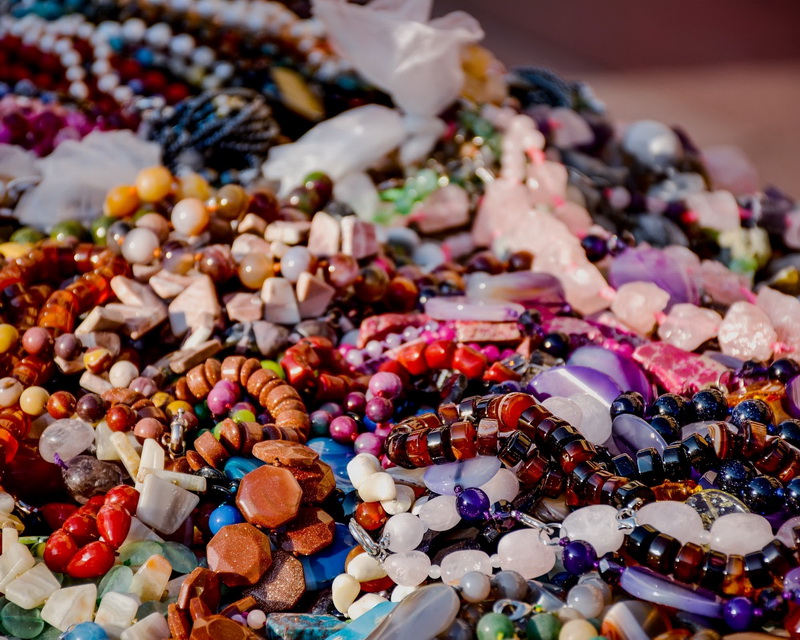
What Makes a Stone Genuine?
Despite their brilliant appearance, jewelry pieces can be deceptive; for many people, it is difficult to tell whether they are looking at a natural, lab-created, or simulated stone. In fact, many are unaware that there is a distinction between these categories. Pay attention to the various designations describing the origin of a gemstone.
Natural
When stones are formed in nature, they contain specific mineral compositions that give them their color, clarity, and appearance. These natural gemstones are always classified as “genuine” — there is no doubt about their origin or mineral content.
Additionally, the common practice of heat-treating natural stones to enhance their color does not change their natural authenticity.
Lab-Created / Synthetic
Some stones can be created in laboratories to have the exact same mineral composition as those found in nature. These “lab-created” or “synthetic” stones can be called genuine if their mineral makeup is identical to that of natural stones.
Pros and Cons of Imitation Stones
With nearly identical mineral composition, most imitation and natural stones are hard to distinguish with the naked eye.
Imitation or natural stones? This question has circulated within the jewelry industry for quite some time; after all, synthetic stones have long had a questionable reputation due to their origin.
However, many people do not actually understand what synthetic stones truly are; read on to learn more about them and how they compare to natural ones.
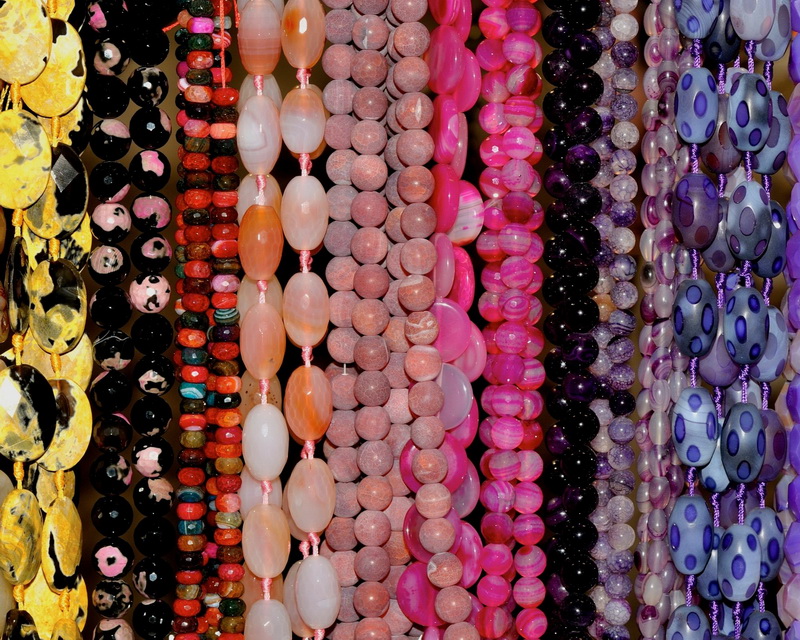
What Are Imitation Stones?
When people hear the words “synthetic” or “man-made,” they often assume the stone is “fake.” In other words, many believe imitation stones are made of glass or plastic. This is the most common and misleading misconception people have regarding this type of stone.
Imitation stones, although created in a lab, have exactly the same chemical composition as natural ones. For example, a diamond is made of carbon. The only difference between a natural diamond and a lab-grown diamond lies in how that carbon was compressed into a gemstone — by nature or by technology.
A synthetic stone simply doesn’t have the same “feel” as a natural gemstone — much like buying a mass-produced outfit instead of a tailored suit. However, synthetic stones have their advantages, and with a growing audience that values sustainability and ethics, they are becoming increasingly popular.
Imitation Stones: The Pros
Excellent quality: These types of stones, due to the way they are made, are produced almost flawlessly in terms of color and clarity.
Imitation Stones: The Cons
Low resale value: Although imitation stones are very affordable, this also reduces their resale value if you ever wish to sell them later. Compared to natural stones, they are simply less valuable because they are easily available.
Overly flawless appearance: Some people prefer the look of natural stones because of their imperfections.
Some of the metaphysical properties of natural stones can be summarized as follows:
- Provide calmness and help build confidence in communication.
- Assist in releasing negative energies.
- Encourage honesty and clarity, and help develop one’s highest potential for achievement.
- Relieve anxiety, promote compassion, and dispel anger.
- Increase both spiritual and physical energy.
- Overcome anxiety, enhance joy, and foster gratitude.
- Promote nurturing and love, while calming and balancing emotions.
- Facilitate mental clarity during meditation and awaken spiritual experiences.
Often, people choose natural stones over imitations for this very reason — they want something organically and uniquely formed. However, imitation stones are significantly cheaper and can display finer clarity and color due to their controlled lab environment.
Why Choose Natural Stones Over Imitations?
Every Natural Stone Is Unique!
Each natural stone is different from another because it is formed spontaneously in nature. Essentially, every piece of natural stone is unique. At the same time, natural stones in different colors and shapes influence their individual characteristics.
Because of their diverse patterns, each natural stone has its own personality, adding a more personal touch to your jewelry design. To see for yourself, you can visit our unique EM ART stores and explore our natural stone jewelry section.
Natural Stone Is Durable!
Natural stones are products that have proven their durability. Their heat resistance and corrosion resistance make them an ideal material for jewelry.
However, you should make sure to choose the right stone according to energy, zodiac sign, and purpose. Contact the EM ART expert team, and we will be happy to assist you in selecting the best natural stone product.
Natural Stone Offers a Wide Variety!
In nature, there are many different types of natural stones. Each natural stone variety has its own characteristics and features. Natural stone models vary in color, density, and porosity. It is important to use the right type of stone for the right purpose.
Some of the most popular natural stones include garnet, volcanic lava, aquamarine, jadeite, coral, quartz, onyx, turquoise, tiger’s eye, and many more — all of which you can find on our website by visiting the natural stones section.
Natural Stone Adds Value to Your Jewelry!
Natural stones adapt to fashion trends in every era thanks to their unique characteristics. Over the years, they never lose their value and always add worth to the jewelry they adorn. You can visit our EM ART page for unique collections and series, perfect for every season’s fashion trends.
| Daya (Daya) | Daya |
 I am a huge enthusiast of creating new handmade beauties, whether it is with beads, paper and pen, canvas and acrylic, or yarn. Every form of art or intricate crafting brings additional inspiration! If you are curious about what else we can make and craft with art and craft materials, stay tuned for updates in the blog and, of course, feel free to share your ideas!
| All articles on Daya |
Rate the article 5/5 from 1 grades. |
|
| You have already voted for the article | |
Recommended articles
 WOODEN ELEMENTS A TIMELESS TREND FOR YOUR HOME
 HANDMADE CHRISTMAS TREE ORNAMENT
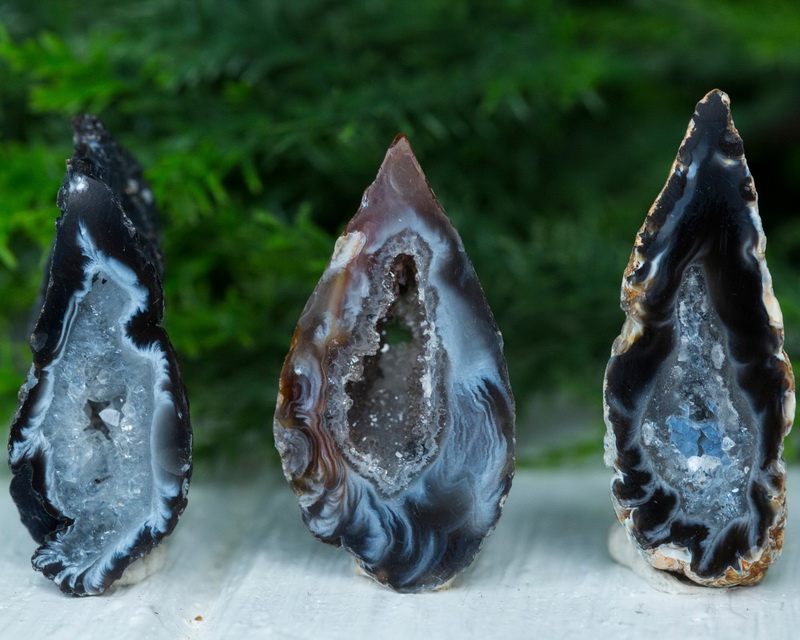 THE MIRACLE OF AGATE AND THE ENERGY IT BRINGS YOU
 THE MAGIC OF HANDMADE GIFTS
 0 Comments

| 0 |

| 0 |

| 0 |

|

| 0 |

|
 Subscribe ♥
SEARCH

|

|
Categories
 New
New


Recent Posts
WHY DOES THE COLOR OF A CRYSTAL MATTER?
WOOL FOR FELTING
ADHESIVES FOR ALL YOUR CREATIVE PROJECTS
The Divine Interplay of Colors, Chakras, and Crystal Gems
Discover the Power of Your Birthstones by Month, Zodiac Sign and Day of the Week
5 Glamorous and Sparkly Halloween Makeup Ideas for Women
3D MANDALA WALL DECORATION IDEA
Recent comments
BroGroup за Discover and Master the Art of 3D Pen Drawings - A Step-by-Step Guide for 2D and 3D Objects and Sculptures
Dawn Sullivan за IN THE WORLD OF QUILLING ART
Laura за THE ULTIMATE GUIDE TO CLEANSING AND CHARGING GARNET
JER за Discover and Master the Art of 3D Pen Drawings - A Step-by-Step Guide for 2D and 3D Objects and Sculptures
november birthstone за Discover the Power of Your Birthstones by Month, Zodiac Sign and Day of the Week
