



 0 Commentа
 Printing
 22.06.26
 02.03.21
ADHESIVES FOR ALL YOUR CREATIVE PROJECTS
Adhesives are used for the durable and tight bonding of two surfaces together. They differ in certain product characteristics such as consistency, composition, application, and so on.
The joining (bonding) of individual objects is achieved through the formation of the so-called adhesive bond between the adhesive layer and the material of the joined surfaces.
Types
Adhesives are divided into several types according to:
-
Their composition
- Inorganic – solutions, melts, and solders
- Organic – polymerizing, solutions, melts
-
Their bonding method
- Dry (drying adhesives) – silicate, casein, wood glue
- Wet (non-drying) adhesives – resin-based adhesives
- Inorganic, organic, polymerizing – epoxy resin
-
Their physical state
- Liquid – solutions, emulsions, suspensions
- Solid – sheets, sticks, powders, granules – applied on heated surfaces
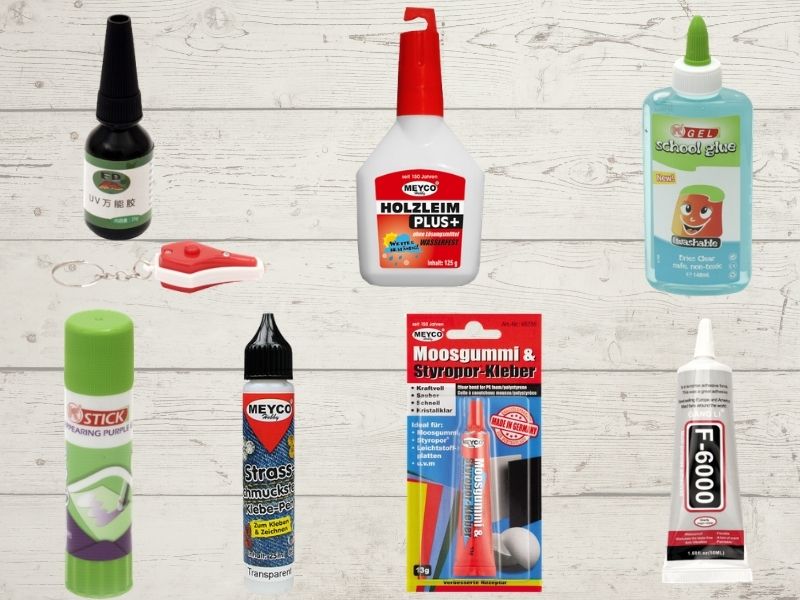
In the online store EM ART, you will find a wide variety of adhesives:
- Silicone glue;
- Craft glue;
- Single-component universal water-based glue;
- Glue marker;
- Transparent silicone glue;
- “Dragon’s saliva” glue;
- Gilding glue.
What do we use adhesives for?
Since the range of adhesives is quite large, let’s take a closer look at the characteristics and applications of each type individually.
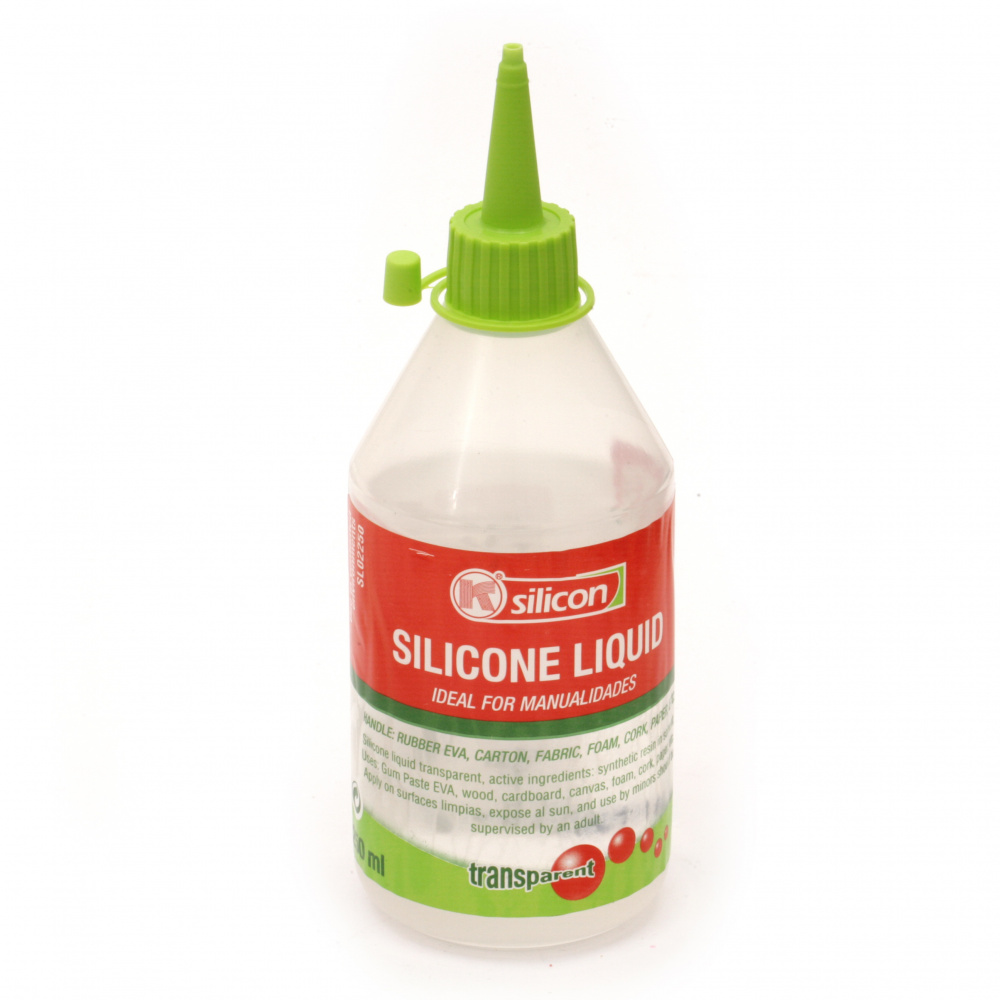
Silicone glue is a silico-organic polymer with high strength. Liquid silicone resembles resin, and it is produced using synthetic rubber.
This material can be used to bond items made of ceramic, metal, plastic, rubber, glass, paper, aluminum, and terracotta.
Silicone-based glue is available in small, easy-to-use tubes. To use it, cut off the nozzle tip to release the contents. Gently squeeze the tube to avoid wasting excess material.
After finishing your work, place a cap or glue dispenser to prevent any further leakage.
Silicone adhesives are suitable for bonding all kinds of objects made from different materials.
They can be used when making delicate greeting cards and invitations, as they are transparent and do not show on colored cardstock.
This material is also suitable for joining rougher materials such as wood, metal, glass, and plastic, making it ideal for creating various art projects.
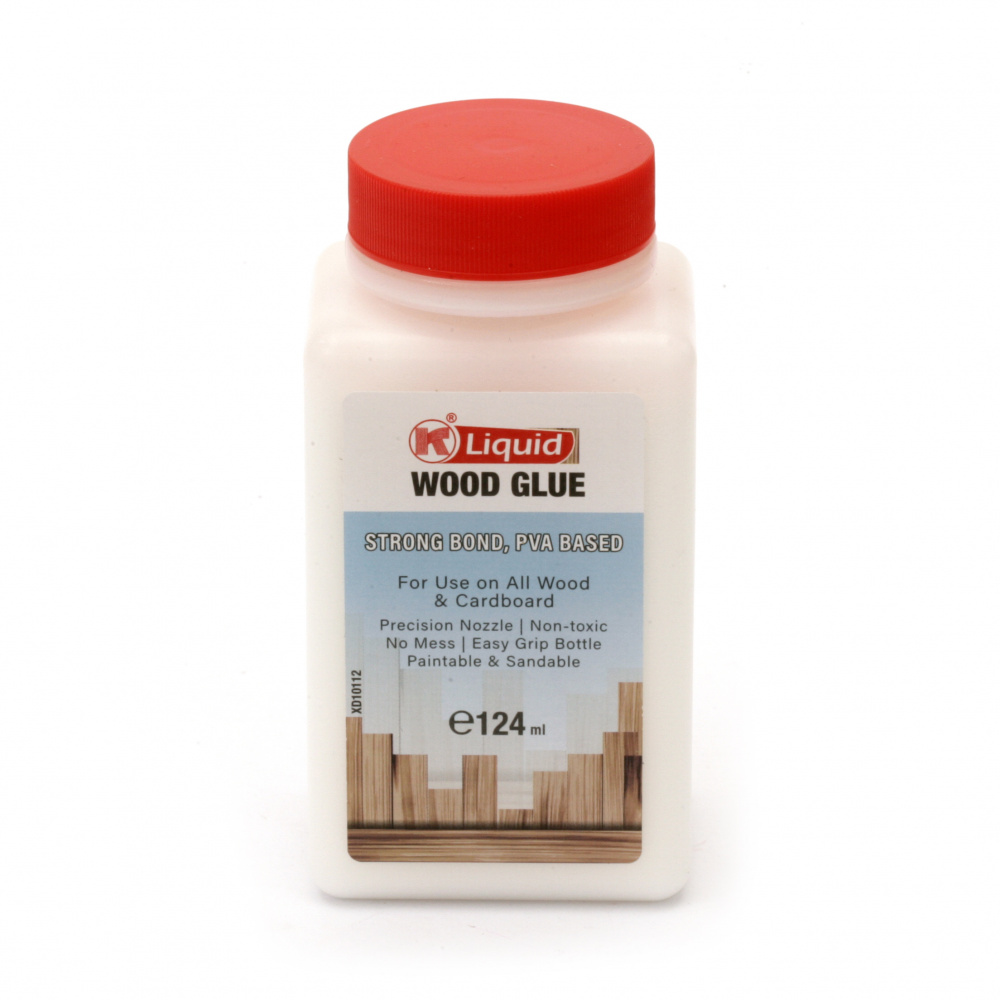
Craft glue is specially designed for gluing all kinds of paper, cardstock, chipboard, album blanks, greeting cards, cardboard boxes, quilling strips, cardboard figures, and many others.
It is widely used for:
- Making greeting cards and invitations
Handcrafting cards and invitations is one of the favorite activities of many hobby crafters. It involves using colorful cardstock, cutting dies, punches, decorative scissors, various appliqués, glitter, shapes, and a wide variety of art materials – acrylics, watercolors, pencils, and pastels.
Creating cards requires a lot of imagination as well as a range of materials. Craft glue is used in the making of these paper works of art.
The advantage of this adhesive material is that it is extremely fine, transparent, quick-drying, and leaves no marks on the surface of paper or cardstock.
Craft glue does not stain, has no unpleasant odor, which allows it to be used indoors. You can attach all the elements of your cards without worrying that they might come loose.
- Envelopes
Making craft envelopes is a fun and creative activity. Moreover, the finished product looks very original and beautiful.
For this purpose, you use earthy-colored cardstock, which you fold into the desired envelope shape. Once the form is ready, it needs to be fixed in place with suitable glue.
This is where craft glue comes in handy. It allows you to bond all edges of the envelope to keep its pocket shape. You can also use the glue to attach decorations – paper flowers, ribbons, cardboard, plastic, and wooden embellishments.
The glue ensures the strength and transparency of the attached elements. They will not peel off during handling and will stay exactly where you placed them.
You can put cards, invitations, money, messages, letters, or photos inside the envelopes. Additionally, you can decorate them with glitter, ribbons, and colorful materials.
- Scrapbooking
Scrapbooking is a unique technique for crafting handmade albums, notebooks, and books in a vintage style.
It is characterized by richly ornamented pages and covers in warm color combinations.
To achieve this effect, various cutting punches, decorative and border scissors, cardstocks and papers in different colors, ribbons, lace, glitter, and many other materials are used.
Craft glue is among the most commonly used materials for making scrapbooks.
It allows you to attach any decoration to the covers or pages of your vintage notebooks, helping you achieve the desired antique look of your scrapbook.
For this purpose, you can use any of the available shades – gold, silver, antique gold, bronze, and so on.
- Paper straws
Decoupage glue is so delicate and fine that you can even use it to glue paper straws.
In recent years, these types of straws have become very popular, and many people prefer to make them themselves.
A special waterproof thin cardboard is used to form the straws. To fix their shape, glue is applied — decoupage glue is perfect for this purpose.
Thanks to its transparent and light texture, you can easily and invisibly glue paper straws together.
Use only a small amount to prevent excess glue from spreading at the edges.
- Decoupage
Decoupage is an applied art technique where motifs and images are cut out from various materials and glued onto an object to decorate it.
Most often, the elements are cut from paper, napkins, fabric, or leather.
This technique is used to create collages, paper appliqués, and to decorate furniture, panels, souvenirs, cups, plates, vases, candles, and home décor elements.
To glue the different appliqués, you can use craft glue. It can be applied to wood, plastic, and metal furniture, as well as various objects, books, kitchenware, candles, textiles, and more.
- Making festive decorations
Craft glue is perfect for creating festive decorations. Since most decorations are made of paper and cardboard, this adhesive is ideal for the task.
It allows you to easily glue together all the components of your decorative creations.
You can make Christmas decorations such as garlands from colorful paper, glossy sheets, ribbons, and cardboard. Create them in any colors and shapes you desire.
Each part of the garland can be glued using craft glue. Use a small amount — it will be enough to bond the individual parts of your decoration.
In addition to colorful garlands, you can make Christmas tree ornaments. Use foil or cardboard to assemble interesting shapes. To make the ornaments even shinier and more festive, add glitter and sparkling elements — all of which can be glued using craft glue.
Once the Christmas ornaments are assembled, allow the glue to dry and hang them on the branches of your Christmas tree.
The satisfaction and joy of your beautifully completed work will make you shine on the festive night.
You can also use the glue to create beautiful decorations for the Christmas table — various cardboard, wooden, or styrofoam figurines in the shape of trees, elves, reindeer, bells, and more.
This adhesive is also suitable for making decorations for other occasions such as weddings, christenings, birthdays, Easter, Valentine’s Day, bachelorette and bachelor parties.
We all know that most of these events are held outside our homes, so the decorations we prepare need to be easy to transport and arrange.
Usually, the décor for such occasions is made of lightweight materials — cardboard, styrofoam, paper, and plastic — to make it easier to move to the celebration venue.
To assemble the decorations, you will need adhesive materials. Craft glue is perfect for this — it dries quickly and provides strong bonding.
It is completely suitable for use on decorative items for festive events, as it is transparent and practically invisible.
- Decorating bottles and glasses
You have lots of ideas but no time to paint — or maybe painting isn’t your strong suit. Don’t worry! There’s a way to create stunning decorations on glass or plastic cups and bottles all by yourself.
With the help of the decoupage technique and craft glue, you can make the most original and impressive decorative items.
You can decorate glass cups and bottles, which will make wonderful gifts or decorations for any occasion.
You will need: a bottle, decoupage napkins (recommended because they are soft and easily follow the shape of the object), a brush, a sponge, acrylic paint, glue, and varnish. You can also use craft glue.
Before starting, remove the original label from the bottle and clean the glass surface thoroughly. It’s essential that there are no greasy spots or dust. After washing, dry the surface carefully to remove all moisture and water drops.
If you want to paint the bottle in a base color first, use acrylic paint in any shade you like. Let it dry, then prepare the images you have cut out from the napkins. Choose motifs according to the occasion — Christmas, birthday, wedding, bachelorette party, christening, etc.
Position the image where you plan to apply it to see how it fits.
Once you decide on the placement, apply glue and use a flat brush to gently smooth it from the center outward to remove any trapped air bubbles.
You can use any kind of pictures or text. If you wish, combine different colored images and cover the entire surface of the glass item.
If you can’t find napkins with suitable designs, you can print interesting cutouts from the Internet on a color printer and glue them onto the glass objects.
After the craft glue has dried, apply a finishing varnish layer to seal the image permanently.
If you like, you can further decorate the bottle with additional elements — ribbons, bells, metal, plastic, or foam embellishments, artificial snow, various acrylic paints, and glitter.
- Assembling artificial flowers
Making artificial flowers is a captivating and beautiful craft.
It involves various materials such as floral wire, tulle, decorative foil, and more.
Craft glue is also used here to bond the individual parts of the flower — stem, petals, stamens, and leaves — together.
It allows you to easily attach each element, and the glue remains completely invisible.
- Making collages
In the visual arts, collage is a technique in which different fragments are combined to form a single composition. It uses clippings from newspapers, magazines, text, colored papers, photos, pages from books, and more.
The collage technique relies on layering, which can include drawings, hand-made inscriptions, figures, and shapes. Various painting techniques can also be incorporated.
Collages are usually intended for hanging on walls or displaying on shelves. They have characteristics similar to picture frames, where we preserve our most precious memories and moments.
Various types of adhesives can be used for creating collages, depending on the artist’s preferences. Craft glue is an excellent and preferred choice thanks to its transparency, quick-drying properties, and strong adhesion.
- Papier-mache
Papier-mache, from French, means “chewed paper” — named after its crumpled appearance. It is a technique for creating various objects from easily accessible and inexpensive materials. It is used in puppet and dramatic theater for stage decorations, as the resulting figures are extremely light and easy to transport.
With papier-mache, you can create unique festive masks and dolls, as well as interesting home souvenirs and themed holiday decorations.
This method of shaping forms is extremely simple and affordable since it doesn’t require significant expense.
It uses inexpensive materials commonly found in every home — old newspapers, decorative napkins, magazines, and cardboard. It’s a wonderful way to recycle unused materials at home.
In return, you’ll get beautiful dolls, masks, and souvenirs that will perfectly adorn your home.
Craft glue is also useful here. To create any papier-mache piece, you can use decorative napkins or clippings from newspapers and magazines, gluing them together with craft glue. It’s suitable because it’s completely transparent and bonds all kinds of paper, fabric, and leather materials quickly.
By combining the techniques of papier-mache and decoupage, you can even make musical instruments.
The most common example is the maracas — percussion instruments made of two hollow, round bodies filled with sand, rice, or synthetic material, and fitted with wooden or plastic handles. When shaken, maracas produce a distinctive rustling sound.
This instrument can easily be made at home using papier-mache, as it’s simple and requires no force or impact to play. Craft glue will make the instruments durable and long-lasting.
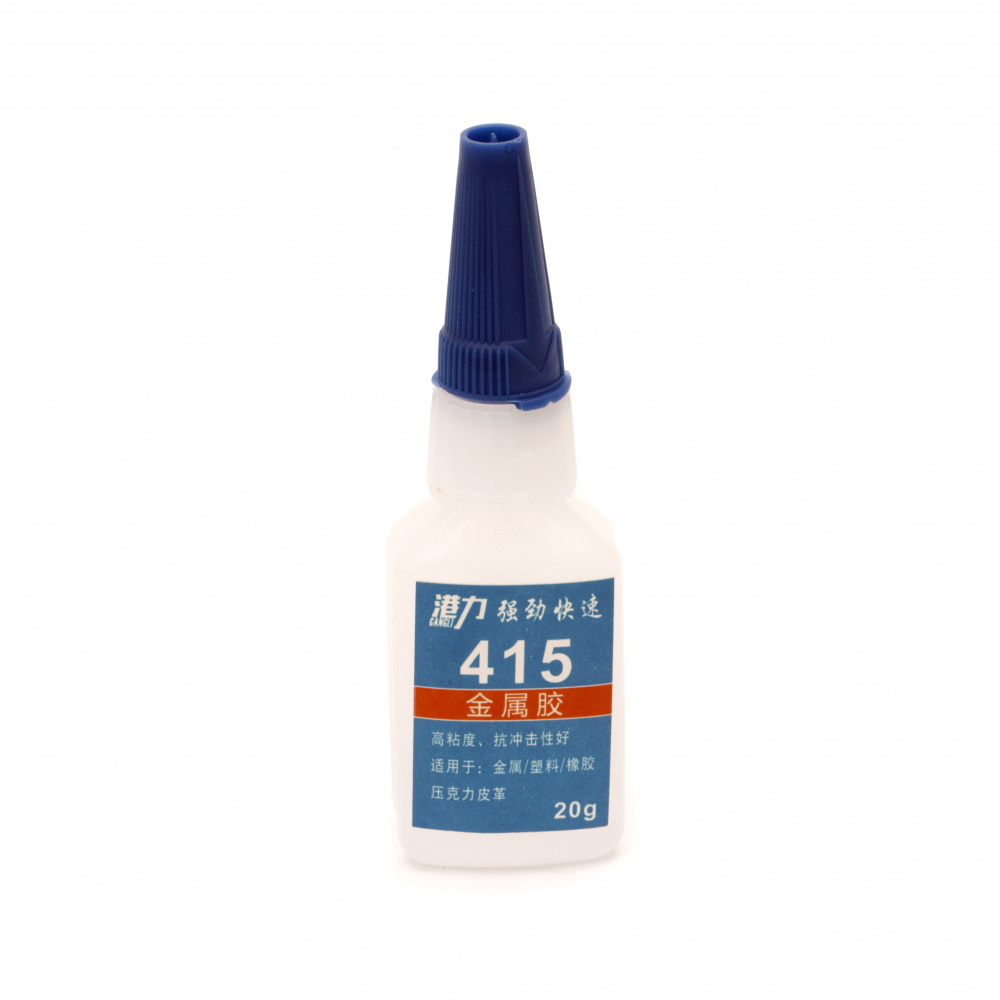
The universal glue is designed for bonding various surfaces such as wood, paper, cardboard, plastic, metal, fabric, rubber, and styrofoam. It has excellent adhesion to different bases, applies easily, and is convenient to work with.
It can also be used to fill surface irregularities by applying it and allowing it to harden. The glue has a strong initial tack and dries quickly. It contains no silicone, is resistant to weather and moisture, does not cause corrosion, and is non-toxic.
It can be used by people of all ages and is suitable for:
- Cards and invitations
Universal glue can be used in crafting greeting cards and invitations. It dries quickly, leaves no marks, and is invisible on cardboard. Its properties are similar to those of craft glue.
You can use it to attach all kinds of elements to your cards — appliqués, metal, wooden, plastic, textile, or leather decorations.
- Scrapbooking
To richly embellish handmade notebooks, albums, and books, various decorations made from different materials are used.
Here, the single-component glue works perfectly, as it is universal and bonds any decoration you wish to add to your scrapbook.
It’s compatible with all paper and cardboard embellishments, lace, ribbons, rhinestones, glitter, etc. You can easily attach even fine glitter and tiny gems or sequins with it.
- Mixed media
In mixed media art, various elements made of materials like wood, paper, metal, and glass are used. For this technique, a universal glue is essential, allowing you to easily bond each component of your art project.
The single-component glue is perfect for mixed media because it’s compatible with all surfaces, dries quickly, and ensures strong and secure adhesion.
- Creating souvenirs
The universal glue is compatible with all kinds of materials, making it ideal for crafting souvenirs from a variety of substances.
It’s suitable for bonding metal, wood, fabric, and plastic, allowing you to create interesting art pieces.
There are many techniques you can use to craft unique souvenirs. The single-component glue makes it possible to join surfaces of different materials — for example, wood to metal, or plastic to metal. This flexibility will help you bring your creative ideas to life.
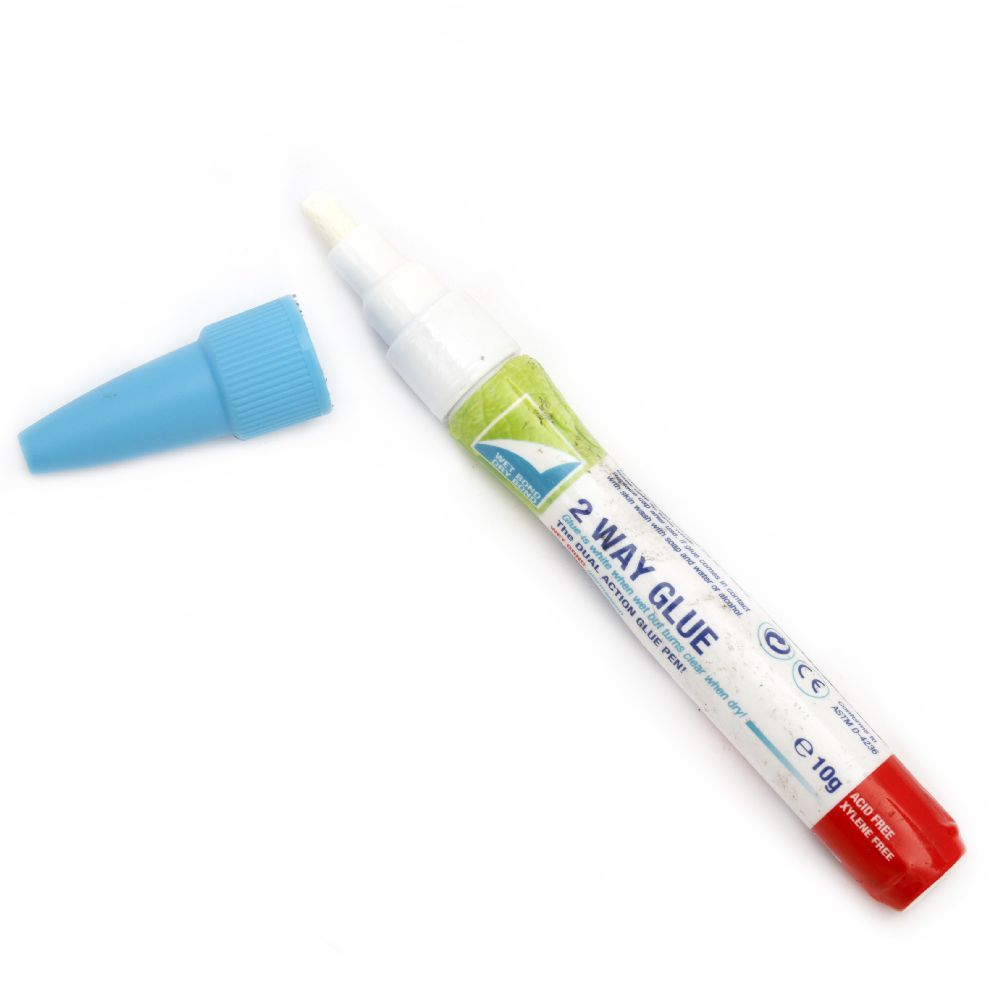
This type of glue comes in the form of a marker and is water-based. Its purpose is to create small decorative designs by drawing or outlining chosen shapes, after which a material is applied that sticks to them.
The marker tip is dual-sided — one end is thicker, and the other is thinner. This allows you to create lines of different thicknesses. The glue is semi-transparent, making it visible when working on various surfaces.
After application, it should be left to dry. The glue is double-adhesive, which means that when you draw with it, it sticks both to the surface you apply it on, and the exposed layer remains tacky — allowing you to attach the desired materials on top.
- Decorating surfaces
The adhesive marker is used for creating fine details on various surfaces. It can be applied to wood, metal, plastic, fabric, glass, paper, cardboard, ceramic, porcelain, polyurethane, and more.
It can be used to decorate cups, plates, candlesticks, lanterns, bottles, suitcases, bags, wallets, jeans, T-shirts, posters, banners, and signs.
Take the item you wish to decorate. Decide on your design and draw it using the adhesive marker.
You can also use stencils with different motifs — floral, geometric, botanical, insect, or text designs. Place the stencil on the surface and trace the open areas with the marker. Remove it and begin applying the colored pigment over the sticky outlines.
You can use all kinds of glitter, colored powder, fine shavings, velvet powder, effect powder, decorative foil, or shimmering particles. Sprinkle them over the glued areas, pressing the layers of colored particles onto the adhesive.
This way, you will color (or pigment) the image you created with the adhesive marker, making it visible.
This method of decorating is extremely easy, convenient, and enjoyable. You don’t need any artistic skills to do it.
With an adhesive marker, you can decorate all your personal belongings — bags, shoes, jackets, T-shirts — creating your own unique style. This will make you stand out and definitely not go unnoticed.
In addition to your fashion accessories, you can also decorate various souvenirs, festive decorations, cups, bottles, pillow covers, decorative napkins, candlesticks, coasters, photo frames, and jewelry boxes.
This adhesive material is truly universal and finds application in all kinds of art projects. It makes it easy to create decorations of all types — from complete images to lettering and fine details.
- Card decoration and scrapbooking
The adhesive marker is perfect for creating decorative ornaments on greeting cards, invitations, and scrapbooking projects. It helps you achieve stunning results.
You can use both the thin and thick tips of the marker, depending on your needs. The glue is ideal for drawing beautiful motifs, delicate ornaments, inscriptions, and numbers.
Draw your design on the cardstock and sprinkle it with a colored pigment of your choice. You can use fine materials such as glitter, powder, colored dust, foil, or gilding flakes.
Sprinkle and gently press the particles onto the glue. Once you’re sure you’ve covered the adhesive pattern well, wait a few minutes for it to dry, then lightly tap the cardstock to remove the excess pigment.
The goal is for the pigment to remain only on the glued areas. You can combine different colors to make your designs even more beautiful and striking.
The glue is also ideal for decorating scrapbooks. In the same way, you can embellish the covers and pages of any handmade vintage album, notebook, memory book, calendar, or planner. They’ll gain a dazzling shine and unique style.
The adhesive marker is also suitable for creating all kinds of posters, collages, festive inscriptions, and decorative signs. The method of use is the same as when decorating objects, as described above.
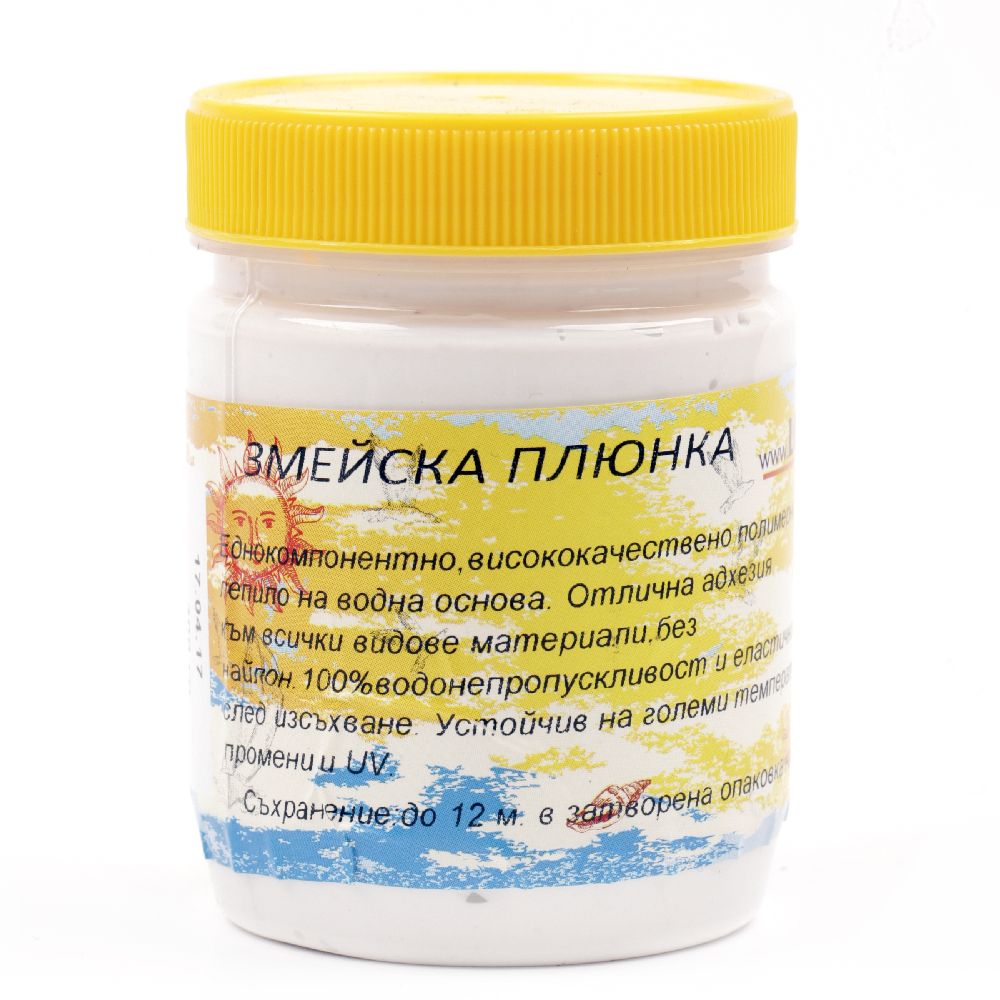
“Snake’s Spit” is a single-component, water-based glue. It is used for bonding various materials — wood, cardboard, plastic, and metal.
It is suitable for use in making all kinds of greeting cards, invitations, mixed media, craft projects, souvenirs, and home or festive decorations.
-
Gilding glue
This glue is slow-drying and water-based. It is used to attach metallic sheets — gold leaf, schlag metal, and metallic flakes — to different types of surfaces.
It can be used to decorate invitations, cards, scrapbooking projects, decoupage, craft works, and various types of decorations for Christmas, New Year’s, birthdays, name days, christenings, weddings, bachelorette and bachelor parties. It is also suitable for posters and decorative signs.
Decorations made with gilding glue and shiny metallic sheets look truly stunning.
To make them, apply a smooth layer of glue to the surface. Once it dries and becomes transparent, carefully attach the metallic sheets or flakes using a soft brush.
With gentle circular motions, press the sheets onto the glue. Then carefully remove them — you’ll see how the metallic particles stay on the adhesive surface.
This way, you can gild different parts of your appliqué or lettering.
Regardless of the type of glue you choose, it’s important to always check the expiration date on the packaging. For proper storage, ensure the caps are tightly closed — this will prevent the glue from drying out and extend its usability.
Glue prices at EM ART
At EM ART’s online store, we strive to maintain low and affordable prices for our customers. We frequently offer discounts on regular product prices.
Here you will find a huge variety of glues priced from 0.60 BGN to 17.50 BGN.
The price of each product in this category depends on its type, size, and quantity.
Why trust EM ART?
EM ART is the most comprehensively stocked online store for hobby materials. Here you’ll find everything you need for your creative projects — all kinds of crafting tools, beads, paper types, cardboard, jewelry accessories, decorative materials, and gift packaging supplies, all at affordable prices.
All products are made from high-quality and safe materials.
We frequently offer discounts on various items, which every customer can benefit from.
You can shop both retail and wholesale. For wholesale traders, we offer preferential prices.
Delivery
After choosing the hobby materials you need, simply enter your personal details — full name, contact phone number, and the address where you’d like to receive your order.
Your order will arrive within 4 business days.
For orders over 100 BGN, delivery is completely free.
If you have any questions, you can contact our online consultants, available every day from Monday to Saturday between 9:30 AM and 6:30 PM, and on Sunday from 10:00 AM to 5:00 PM.
Let yourself be inspired and bring your most unique ideas to life!
| Daya (Daya) | Daya |
 I am a huge enthusiast of creating new handmade beauties, whether it is with beads, paper and pen, canvas and acrylic, or yarn. Every form of art or intricate crafting brings additional inspiration! If you are curious about what else we can make and craft with art and craft materials, stay tuned for updates in the blog and, of course, feel free to share your ideas!
| All articles on Daya |
Rate the article 5/5 from 1 grades. |
|
| You have already voted for the article | |
Recommended articles
 Top 10 Creative Ideas for Christmas Gifts for Art and Craft Enthusiasts of All Ages and Skills
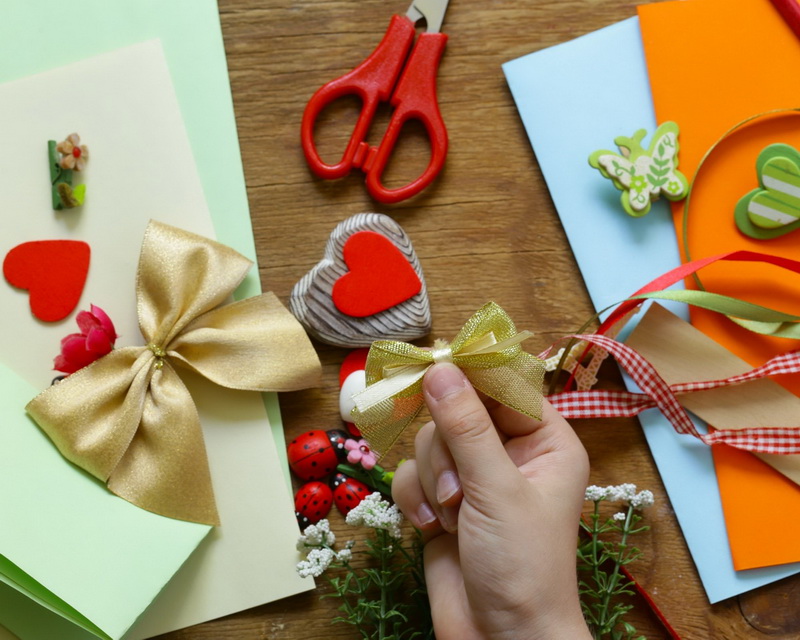 THE MAGIC OF HANDMADE GIFTS
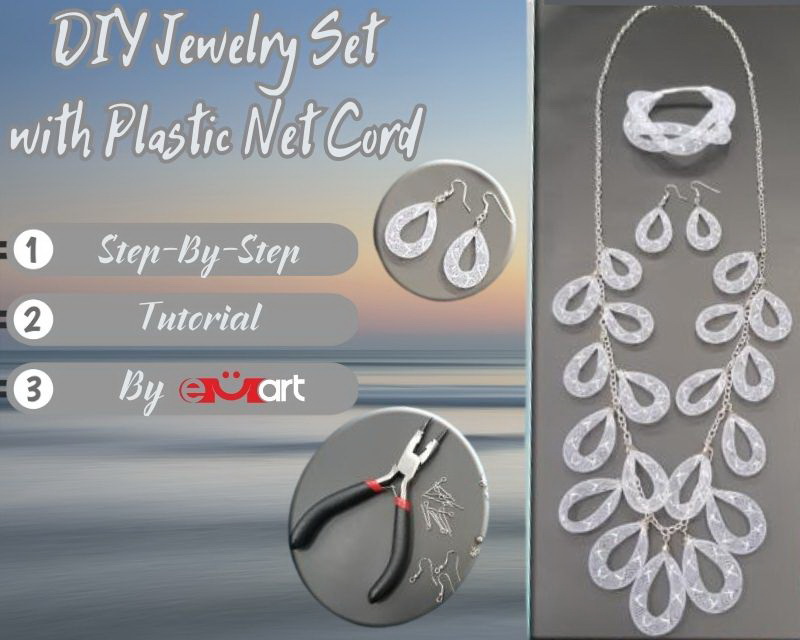 A Simple Tutorial with Steps for Creating Jewelry Set using Plastic Net Cord
 THE TIARA IS A FASHION TREND THAT SUITS EVERY AGE
 0 Comments

| 0 |

| 0 |

| 0 |

|

| 0 |

|
 Subscribe ♥
SEARCH

|

|
Categories
 New
New
Recent Posts
WHY DOES THE COLOR OF A CRYSTAL MATTER?
WOOL FOR FELTING
ADHESIVES FOR ALL YOUR CREATIVE PROJECTS
The Divine Interplay of Colors, Chakras, and Crystal Gems
Discover the Power of Your Birthstones by Month, Zodiac Sign and Day of the Week
5 Glamorous and Sparkly Halloween Makeup Ideas for Women
3D MANDALA WALL DECORATION IDEA
Recent comments
BroGroup за Discover and Master the Art of 3D Pen Drawings - A Step-by-Step Guide for 2D and 3D Objects and Sculptures
Dawn Sullivan за IN THE WORLD OF QUILLING ART
Laura за THE ULTIMATE GUIDE TO CLEANSING AND CHARGING GARNET
JER за Discover and Master the Art of 3D Pen Drawings - A Step-by-Step Guide for 2D and 3D Objects and Sculptures
november birthstone за Discover the Power of Your Birthstones by Month, Zodiac Sign and Day of the Week
