



 0 Commentа
 Printing
 07.11.25
 06.09.21
THE PATH TO IDENTIFYING NATURAL STONES
Not everything that glitters is gold! Well, this may also be true for that natural gemstone you’ve been longing to adorn your jewelry with. The sparkle, color quality, and durability might tempt you to buy what seems to be a magnificent but possibly fake natural stone.
Natural stones are highly sought after for their astrological benefits. It is true that these stones can enhance the power of the planets, provided that we choose the right one.
A simple DIY test to determine whether a stone is natural or synthetic — A natural stone is one that is not man-made or laboratory-produced. Every natural stone has its synthetic counterpart, which is widely available on the market.
How to tell if a stone is natural or not?
Natural stones are unique and add something special to any piece of jewelry, and although they are usually more expensive than other types of beads, many affordable semi-precious stones are available.
Unfortunately, shopping for natural stones can be tricky. It’s difficult to distinguish genuine gemstones from synthetic ones, and the labels used to describe them can be confusing.
If you are not familiar with the types of stones and the terminology used to describe them, you might end up paying a high price for a stone that isn’t even real.
It’s always best to educate yourself if you plan to purchase natural gemstone beads for jewelry making, so you know exactly what you are buying and can pay a fair price.
There’s no completely reliable way to determine whether stones are genuine, unless they are examined by a gemologist. However, there are several things you should know to help you buy genuine stones instead of imitations.
.jpg)
Here’s a list of things to keep in mind when shopping for natural stones.
The first step in determining whether a stone is real is to carefully read its description.
Check whether the seller specifies the stone’s origin. This can help determine its authenticity. Sellers often use words such as natural, genuine, synthetic, or simulated—but what do these really mean?
Natural stones are those that are taken directly from the earth and have undergone no treatment other than cutting and polishing. They may look quite different from their raw form after mining but are not enhanced in any other way.
You can quickly identify most stones by observing a few basic characteristics, such as color and clarity. For a more detailed and accurate identification, you’ll need to use special tools to examine the stone’s interior.
Watch out for synthetics. Synthetic stones share the same structure, chemical composition, and physical properties as their natural counterparts, but they are created in a laboratory rather than formed naturally. You can usually detect synthetic materials by observing certain features.
Synthetic stones often display curved growth patterns inside the stone instead of angular ones. Gas bubbles are round and appear in long strings, which is often a clue—but be careful, as gas bubbles can sometimes occur naturally within inclusions in real stones.
Platinum or gold platelets may adhere to synthetic stones. Fingerprint-like inclusions are common in synthetics, as are nail-shaped inclusions, chevron (V-shaped) growth patterns, veil-like inclusions, and internal columnar structures.
An imitation stone is a material that looks like a real gemstone but is made from a completely different substance. These stones can be natural or artificial, but there are several reliable techniques to spot them in both cases.
Pay special attention when examining turquoise, lapis, sapphire, ruby, and emerald, because the market offers many replicas that look identical to natural stones.
The surface of an imitation may appear pitted and uneven, like an orange peel. Some imitations have swirl marks known as “flow lines.” Large, round gas bubbles are also common in imitations. Imitations are lighter than their natural counterparts.
What are the powers of natural gemstones?
For many years, it has been believed that natural stones possess powerful healing and transformative energies. The use of crystals and gemstones dates back to ancient civilizations such as the Egyptians, Greeks, Chinese, Indians, and shamans, who used them for healing and spiritual purposes.
Since we are all individuals, it is believed that our bodies react differently to the energy of each stone. The role of a natural gemstone in releasing mental, physical, and spiritual blockages works differently for everyone.
Accordingly, it is believed that stones are connected to the seven chakras, which in traditional Indian beliefs are the seven energy centers of the human body. Each chakra is important for the individual’s positive state and overall well-being.
When a chakra is blocked, it can lead to an imbalance in our well-being, whether physically or spiritually. It is thought that natural stones help restore the body’s balance.
Jewelry shopping can be an overwhelming task, as there are always countless options to choose from. However, when you explore the market, you’ll find that gemstone jewelry has been and remains the most popular choice for centuries. Natural gemstones have been part of jewelry-making since the earliest civilizations.
Today, the most beautiful jewelry collections use a variety of natural gemstones to add a sense of beauty and sophistication. Despite their exquisite appearance, there are many other benefits to wearing gemstone jewelry.
Before learning about the advantages of natural gemstone jewelry, why not explore some of the most popular gemstone pieces available in our stores? They include amethyst, coral, rock crystal, regalite, tiger’s eye, and many others that you can use to create stunning jewelry that brings positive energy and good vibes.
.jpg)
Other gemstones commonly used in jewelry making include:
- Peridot
- Aventurine
- Carnelian
- Chalcedony
- Citrine
- Crystal quartz
- Emerald
- Pearl
- Fluorite
- Hematite
- Iolite
- Garnet
- Jade
- Labradorite
- Lapis lazuli
- Moonstone
- Onyx
- Opal
- Pyrite and Tanzanite
Reasons to Wear Natural Gemstone Jewelry
There are many reasons to buy and wear natural gemstone jewelry. These include:
1. Versatile Designs
You can choose natural stones for all kinds of accessories, such as earrings, necklaces, bracelets, and rings. Whether you’re looking for a beautiful engagement ring or a necklace for an evening out, you can select from a wide variety of popular gemstones. For modern jewelry, gemstone designs are always a timeless choice.
2. Timeless Beauty
If you want to achieve a chic, stylish appearance, you can never go wrong with natural gemstones. These stones have an ageless charm, radiating elegance that no other type of jewelry can replicate.
You should invest in more gemstone jewelry if you want to dazzle everyone every time you step out the door.
3. Elegance
If you aim for an elegant look, gemstone jewelry is exactly what you should wear. For example, when you wear a gemstone necklace, you effortlessly achieve an elegant appearance. Other stones that add a refined touch to your look include pearls.
Why Trust EM ART?
Wide Product Range
In our stores, you can find the full range of natural gemstones and detailed information about each one, and we will be happy to help you choose the best solution for you and your craft.
Reliability
At EM ART, you will find only original products with guaranteed origin. We are professionals dedicated to providing you with a variety of high-quality materials for your creative projects, ensuring your confidence and protecting your investment.
| Daya (Daya) | Daya |
 I am a huge enthusiast of creating new handmade beauties, whether it is with beads, paper and pen, canvas and acrylic, or yarn. Every form of art or intricate crafting brings additional inspiration! If you are curious about what else we can make and craft with art and craft materials, stay tuned for updates in the blog and, of course, feel free to share your ideas!
| All articles on Daya |
Rate the article 5/5 from 1 grades. |
|
| You have already voted for the article | |
Recommended articles
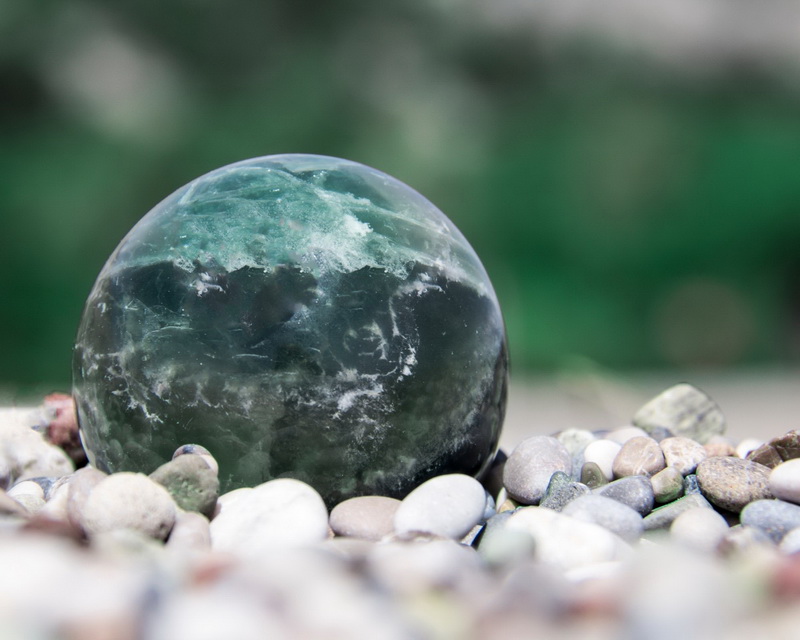
 HOW TO RECHARGE YOUR ENERGY WITH AQUAMARINE
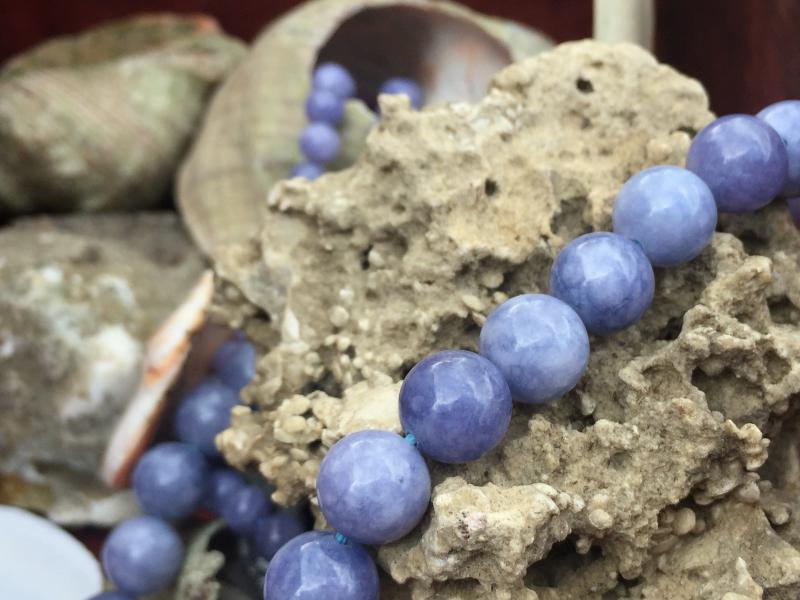
 Discover the Power of Your Birthstones by Month, Zodiac Sign and Day of the Week
 CHRISTMAS GIFT IDEAS WITH SENTIMENTAL VALUE
 Create Your Own DIY Christmas Tree Ornaments in a Transparent Plastic Ball
 0 Comments

| 0 |

| 0 |

| 0 |

|

| 0 |

|
 Subscribe ♥
SEARCH

|

|
Categories
 New
New


Recent Posts
WHY DOES THE COLOR OF A CRYSTAL MATTER?
WOOL FOR FELTING
ADHESIVES FOR ALL YOUR CREATIVE PROJECTS
The Divine Interplay of Colors, Chakras, and Crystal Gems
Discover the Power of Your Birthstones by Month, Zodiac Sign and Day of the Week
5 Glamorous and Sparkly Halloween Makeup Ideas for Women
3D MANDALA WALL DECORATION IDEA
Recent comments
BroGroup за Discover and Master the Art of 3D Pen Drawings - A Step-by-Step Guide for 2D and 3D Objects and Sculptures
Dawn Sullivan за IN THE WORLD OF QUILLING ART
Laura за THE ULTIMATE GUIDE TO CLEANSING AND CHARGING GARNET
JER за Discover and Master the Art of 3D Pen Drawings - A Step-by-Step Guide for 2D and 3D Objects and Sculptures
november birthstone за Discover the Power of Your Birthstones by Month, Zodiac Sign and Day of the Week
