



 0 Commentа
 Printing
 04.11.25
 03.02.22
IN THE WORLD OF FANTASTIC JASPER
What is Jasper? How is Jasper formed? Have you ever wondered what exactly Jasper is? Curious how it takes shape? You may often ask yourself — and the answer is both simple and complex.
The simple answer: Jasper is an opaque material based on silicon dioxide, with a conchoidal or “shell-like” fracture (similar to the way glass breaks) and a hardness of 7 — it cannot be scratched with a steel pocket knife, just like quartz. Why?
It has a high quartz content — the crystals within the material are crypto- or microcrystalline quartz, so you can’t see them, but they’re there, and that’s what gives jasper its strength.
The complex answer: Jasper is NOT a scientific term. When scientists label appropriate specimens, they will call them “cryptocrystalline quartz or microcrystalline quartz: jasper variety.”
What we call “jasper” as rockhounds and lapidaries is most often a stone called “jasperoid.” That’s simply what people call it in trade or regionally. Usually, it’s a commercial or local name for a stone.
Bumblebee Jasper from Indonesia is an excellent example of something that isn’t jasper yet is called jasper. “Bumblebee Jasper” is actually travertine or a calcite-based stone formed on the flanks of a volcano in an active fumarole.
Calcite is not as hard as quartz, which makes “Bumblebee Jasper” a delicate stone that scratches easily. In countries like Indonesia, it’s common for any opaque stone to be called jasper!
So, what is Jasper?
According to scientific literature, it is a stone that absorbs free silicon dioxide from groundwater systems, altering the original rock composition — for example, from ash or limestone deposits into jasperoid. However, not all jasperoids are jaspers. The difference? The level of silicon dioxide saturation.
Meanings, Properties, and Varieties of Jasper Stones
Jasper is one of those gemstones that everyone should know about. That said, jasper stones come in a wide range of colors and intricate patterns, meaning you may have encountered one without even realizing it!
Not only is it beautiful to look at, but it can also be a powerful aid in times of stress. We’ve highlighted some of the key properties of Jasper so you’ll be able to recognize it the next time you see it.
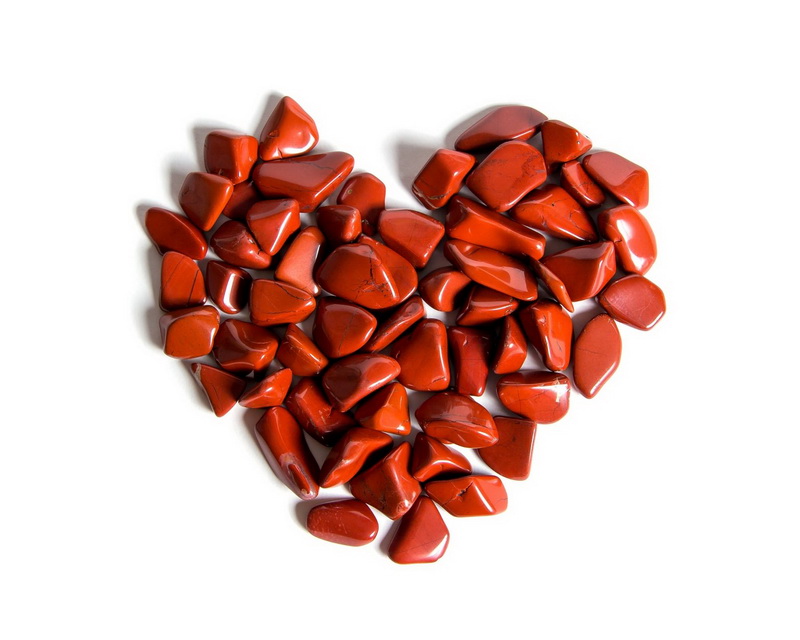
Red semi-precious natural jasper stone — Jasper is a variety of chalcedony, which is a cryptocrystalline form of silicon dioxide.
What does Jasper look like?
Jasper is a smooth, opaque, and impure gemstone. Although most commonly associated with red, it can be found in many colors. The safest way to identify it is to look for a stone with a glossy surface and a spotted or patterned appearance underneath.
What color is Jasper?
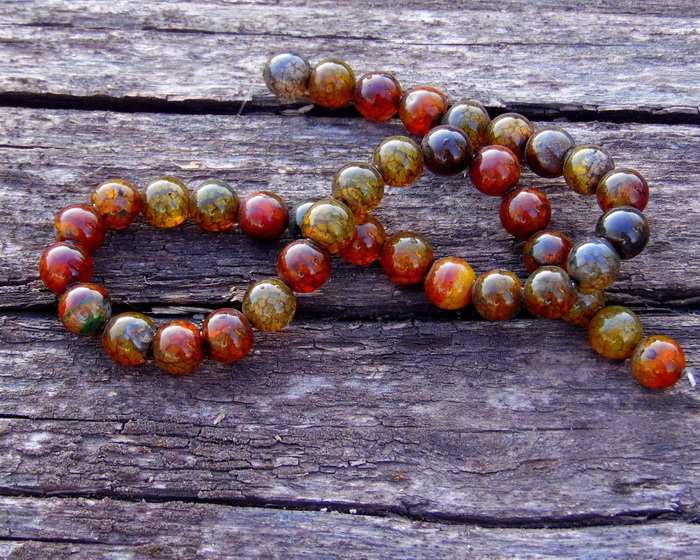
Jasper is almost always multicolored, with a unique and consistent patterning habit. The color palette is typically in earthy tones — common colors include red, brown, yellow, or green. Occasionally, you may find a blue jasper stone, which is a real delight. The name comes from the Latin and Old French words for “spotted” or “mottled stone.”
Where does Jasper come from?
Jasper is most commonly found in India, Russia, Egypt, Madagascar, Australia, and many countries across South and North America — but today, it can be found all over the world.
What is Jasper used for?
Jasper is a semi-precious gemstone most commonly used in jewelry. It’s cut into beads and pendants, and it’s also used for carving cameos. Jasper has powerful spiritual applications, and people often wear specific types of jasper depending on what they’re going through at a given moment in their lives.
What is the spiritual meaning of Jasper?
Of all gemstones, jasper is the best for stress. Known as “the supreme nurturer,” it’s said to help achieve a state of calm and zen. It protects your energy by absorbing all negativity, making it an excellent stone to have nearby during tough times.
Jasper is also said to draw out inner truth, helping you see things clearly and be honest with yourself.
Colors and Varieties
Red Jasper
Red jasper has a deep hue and a strong connection to the earth. It’s a very grounding stone, symbolizing strength and endurance — both emotional and physical. It’s a wonderful stone to have when facing challenges related to your health or well-being.
Green Jasper
As mentioned earlier, jasper promotes tranquility, and green jasper in particular is perfect for anyone experiencing high levels of anxiety. Green jasper absorbs negative energy and helps those who suffer from nightmares. Place a jasper stone by your bed for relief from paranoia and night terrors.
Yellow Jasper
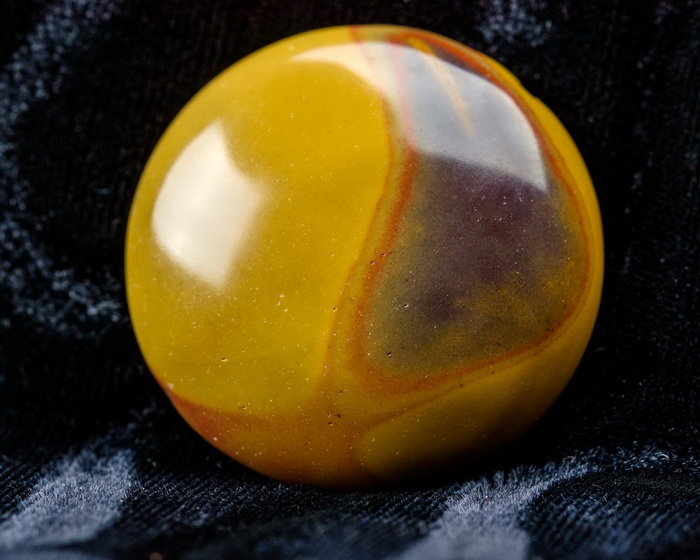
Yellow jasper ranges from bright yellow to deep mustard tones and is one of the most centering varieties. It represents the solar plexus chakra, the body’s center of energy. It’s known for supporting intellectual clarity and has long been a favorite of poets, writers, and great thinkers throughout history.
Blue Jasper
If you’re looking to seize a new opportunity and need a boost of confidence, blue jasper is the stone for you.
It helps motivate and strengthen your convictions, so having a Jasper crystal of this kind when starting a new job or moving to a new city can give you the strength you need to step out and start fresh.
Brecciated Jasper
Brecciated Jasper is one of the most visually striking types of jasper stones. It’s a mix of creamy red and brown hues and is also the most opaque variety of this gemstone.
It often has rich grey veining patterns that can be truly mesmerizing upon closer inspection. This type of jasper is used for focusing scattered thoughts and making sense of complex situations.
Zebra Jasper
Named for its black and white stripes, Zebra Jasper is dazzling in its contrast. The meaning behind Zebra Jasper represents the balance between masculine and feminine energies.
If you want to restore balance in your life in any form, keep a Zebra Jasper stone in your pocket as you go about your day.
Picasso Jasper
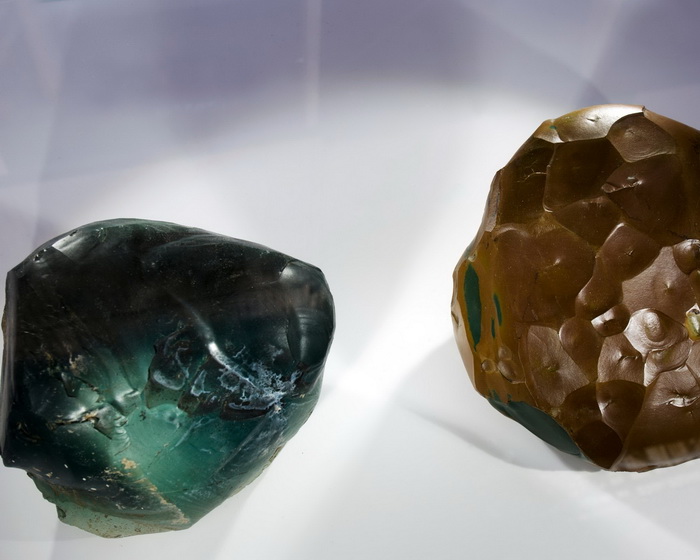
As the name suggests, you can probably imagine what Picasso Jasper looks like. The dark lines and glossy grey surface truly resemble a world-class masterpiece.
Although it shares some external features with Jasper, Picasso Jasper is actually a misnomer — it isn’t jasper at all. It’s a metamorphic limestone with lined patterns formed by iron oxide.
Picasso Jasper is a highly social stone, so if you’re struggling to make friends or want to bring more positive connections into your life, it’s a great choice.
Fancy Jasper
Fancy Jasper is like the fairy godmother of the Jasper family. It lifts your mood and enhances joy by absorbing frustration, anger, and guilt. Often found in shades of green, red, and brown, its protective nature makes it a perfect companion during times of transition.
Leopard Jasper
Leopard Jasper, sometimes known as Jaguar Stone, is named for its strikingly colored spots. No two stones are alike, and each tells a unique story. This jasper crystal is loved for its detoxifying properties and is a favorite for starting a fresh new year.
Why should you wear Jasper jewelry?
Whether you’re looking for something beautiful to hang around your neck or a little help staying grounded, Jasper gemstone jewelry is a beautiful and powerful addition to any jewelry collection.
Jasper gemstones can be used in all types of jewelry, whether chic and classic or boho and hippie. Because most jasper stones feature patterns and spots, jasper jewelry pieces are often unique — no two are exactly the same.
Jasper is a durable gemstone, rated 7 on the Mohs scale. As such, it makes a relatively good engagement ring option for those who want something different. However, it still requires reasonable care and maintenance to keep it free from cracks and scratches.
Jasper is also an excellent gemstone for inlay work, as seen in these men’s and women’s jasper wedding bands.
| Daya (Daya) | Daya |
 I am a huge enthusiast of creating new handmade beauties, whether it is with beads, paper and pen, canvas and acrylic, or yarn. Every form of art or intricate crafting brings additional inspiration! If you are curious about what else we can make and craft with art and craft materials, stay tuned for updates in the blog and, of course, feel free to share your ideas!
| All articles on Daya |
Rate the article 5/5 from 1 grades. |
|
| You have already voted for the article | |
Recommended articles
 Designer and Handmade Paper from India and Nepal for Beautiful Art and Craft Creations
 HOW TO CARE FOR AND MAINTAIN THE ENERGY OF QUARTZ?
 THE ENCHANTING WORLD OF HOWLITE
 WHAT DO WE KNOW ABOUT A HEMATITE PENDANT AND HOW TO COMBINE IT?
 0 Comments

| 0 |

| 0 |

| 0 |

|

| 0 |

|
 Subscribe ♥
SEARCH

|

|
Categories
 New
New


Recent Posts
WHY DOES THE COLOR OF A CRYSTAL MATTER?
WOOL FOR FELTING
ADHESIVES FOR ALL YOUR CREATIVE PROJECTS
The Divine Interplay of Colors, Chakras, and Crystal Gems
Discover the Power of Your Birthstones by Month, Zodiac Sign and Day of the Week
5 Glamorous and Sparkly Halloween Makeup Ideas for Women
3D MANDALA WALL DECORATION IDEA
Recent comments
BroGroup за Discover and Master the Art of 3D Pen Drawings - A Step-by-Step Guide for 2D and 3D Objects and Sculptures
Dawn Sullivan за IN THE WORLD OF QUILLING ART
Laura за THE ULTIMATE GUIDE TO CLEANSING AND CHARGING GARNET
JER за Discover and Master the Art of 3D Pen Drawings - A Step-by-Step Guide for 2D and 3D Objects and Sculptures
november birthstone за Discover the Power of Your Birthstones by Month, Zodiac Sign and Day of the Week
