



 0 Commentа
 Printing
 07.11.25
 10.11.21
A GLIMPSE INTO THE WORLD OF CITRINE AND ITS PROPERTIES
What Do We Know About Citrine?
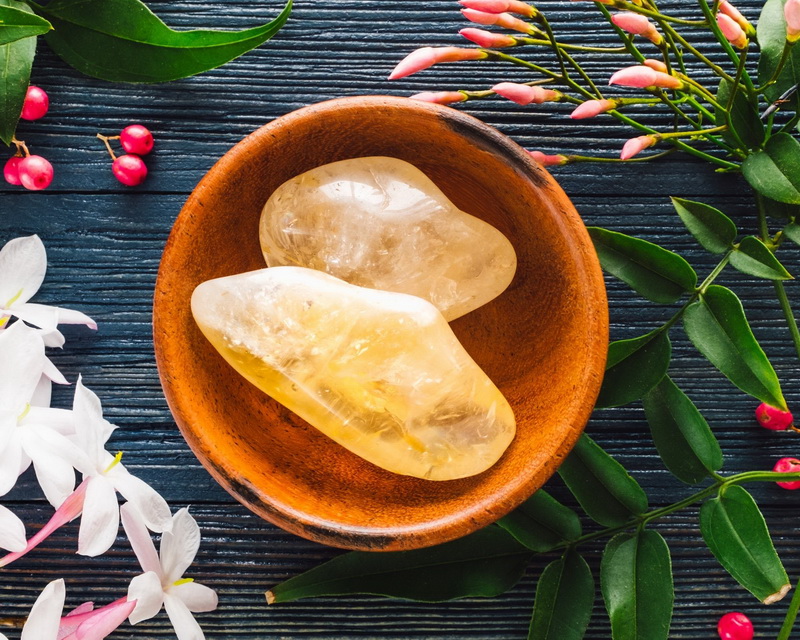
Citrine is a highly sought-after gemstone with a stunningly beautiful color. Although not as popular as some other natural stones, this yellow crystal remains among the most beloved yellow gemstones.
Appreciation for this crystal dates back to at least 300 to 150 BC in Ancient Greece and has continued through the centuries. Surviving records show that Scottish men in the 17th century used citrine to decorate their weapons.
Victorians and socialites of the 1920s also wore elaborate citrine jewelry. It seems that this remarkable yellow gemstone has always captured humanity’s attention. If you’re interested in learning more, below we’ve gathered 10 fascinating facts about citrine.
1. Citrine Is a Variety of Quartz
Citrine is a quartz crystal with a rich yellow hue. Its color can range from very pale yellow to deeper, darker orange shades.
Citrine owes its color to traces of iron within the quartz during formation. Like most quartz crystals, citrine is made of silicon and oxygen atoms and ranks 7 on the Mohs hardness scale.
2. Natural Citrine Is Rare
Because of this, many citrine crystals on the market are either synthetic or heat-treated to resemble natural citrine. Although citrine deposits can be found around the world, the genuine stone has become much harder to find. Today, it is primarily mined in Brazil and Uruguay.
3. Citrine Can Be Recreated
The beautiful golden color of citrine can be reproduced. As mentioned earlier, many crystals and gemstones come from the same family, but due to the different environments in which they form, they develop varying colors and structures.
To recreate citrine, amethyst is heated to over 300–400°C. During this process, the amethyst loses its violet hue and turns a shade of orange or brown.
4. You Can Distinguish Fake Citrine by Its Color Intensity
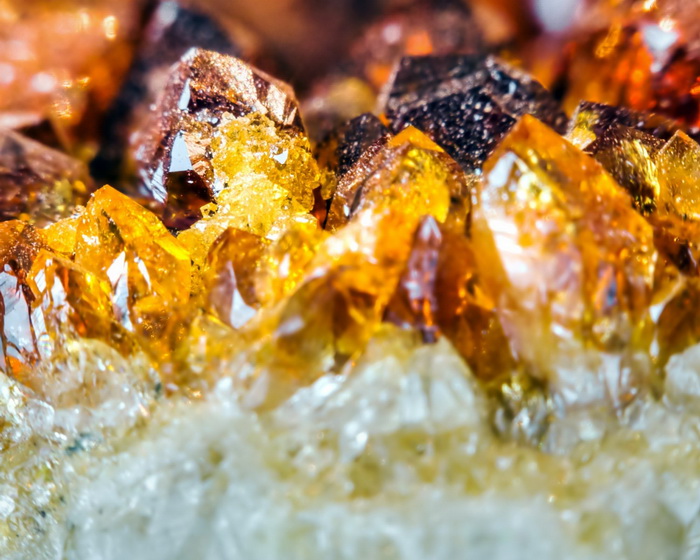
Heat-treated amethysts, often sold as citrine, tend to have a burnt orange or even brownish color at the tips. Genuine citrine is usually much lighter and more transparent yellow.
Another way to tell them apart is by comparing the size of the points in crystal clusters. Citrine clusters tend to have larger points, while amethyst forms much smaller crystal points.
5. Citrine Means Yellow
The name “citrine” most likely comes from the Latin word “citrina,” meaning yellow, or the French word “citron,” meaning lemon. The stone, however, has not always been called citrine. Until 1556, it was known as “yellow quartz,” after which the name was changed to citrine.
6. Citrine Is Known as the “Merchant’s Stone”
During the Middle Ages, citrine was known as the “merchant’s stone” or the “money stone,” as it was believed to bring prosperity and wealth to those who carried it. This belief led many people to keep citrine with them to attract success and profit.
7. In Ancient China, Citrine Was Often Worn by the Emperor
In ancient Chinese society, citrine was also regarded as the “stone of success.” It was believed to bring success to its wearer. Chinese emperors often wore citrine jewelry, as the stone was thought to not only bring success but also open the mind and expand one’s perception.
8. Citrine Is Still Believed to Have Metaphysical Properties
Beyond ancient beliefs that citrine brings prosperity in all forms, it is also said that citrine is connected to intuition. Like most crystals and gemstones, over time, many metaphysical qualities have been attributed to it.
It is believed that wearing citrine revitalizes the mind and sharpens focus. Citrine is also said to boost confidence and self-esteem, thereby helping to release negative traits and phobias.
9. Citrine Was Popularized by Hollywood in the 1920s and 1930s
Its revival during the Art Deco era made it one of the most sought-after gemstones of the time.
10. The Largest Faceted Citrine in the World Weighs 20,200 Carats
The largest faceted citrine in the world weighs an astonishing 20,200 carats. The Malaga Citrine was first discovered in the municipality of Governador Valadares in Brazil during the 1980s or 1990s. It surpassed the previous record holder, the “Sol del Sur,” which weighed an impressive 8,200 carats.
Properties of Citrine
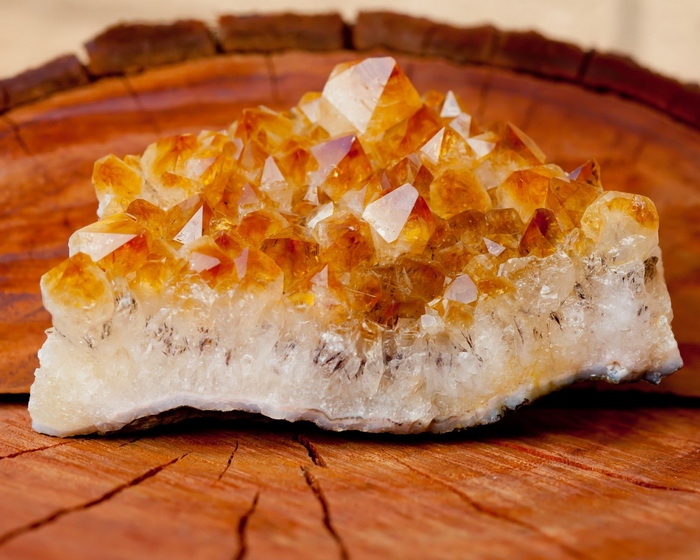
Color: Yellow, orange, brown
Chakra: All, especially the Solar Plexus
Number: Vibrates to 6
Planet: Sun
Zodiac: Aries, Gemini, Leo, Libra
Bagua Areas: Tai Chi (Health), Xun (Abundance)
Elements: Fire, Earth
Origin: Brazil, Russia, the United Kingdom, Madagascar, France, the USA
Meaning and Use of Citrine
Citrine is an unusual crystal because it transmutes rather than absorbs negative energy, which means it does not need cleansing like most other stones. It promotes emotional balance and calm feelings.
Types of Citrine
Natural citrine is a variety of quartz that displays shades of yellow, orange, and brown. It is slightly harder to find and is usually more expensive than heat-treated citrine.
Heat-treated citrine is amethyst that has been thermally altered—a purple variety of quartz. When heated, the purple transforms into shades of yellow, orange, and brown.
Smoky citrine is a variation that contains a touch of smoky quartz. It is particularly useful when working on spiritual matters. It can help you release old beliefs that block the flow of abundance in your life. It is said to be more grounding than ordinary citrine.
Citrine spirit quartz is a type of spirit quartz with citrine hues that helps cleanse the energy body while inviting forgiveness toward yourself and others. It can also attract prosperity while releasing attachment to material possessions.
Invite Earth Energy
The Earth element represents stability, grounding, and nourishment. You may need more earthly energy in your life if you feel ungrounded or anxious.
In general, stones that come from the Earth embody its grounding energy, and citrine, in particular, has a strong connection to this element. If you want to invite more Earth element qualities into your life, working with citrine in your home or carrying it with you can truly support that intention.
Activate Your Wallet
Placing a small piece of citrine in your wallet is a wonderful way to harness this stone’s connection to abundance. Citrine encourages generosity as well as the ability to acquire and retain wealth. Sharing and preserving wealth may sound contradictory, but they actually go hand in hand.
The more abundant you feel, the more likely you are to share what you have. As you feel more abundant, you also increase your ability to hold onto wealth for yourself.
Since citrine helps attract abundance, it’s a great stone to keep in your workspace.
Whether you work from home or in an office, you might want to place a piece of citrine on your desk or another area of your workspace with the intention to invite more prosperity and positivity into your professional life.
Wear Citrine on Your Body
Finding a piece of citrine to wear or carry with you is a lovely way to keep the bright, sunny energy of this stone with you throughout your day.
Choose a piece you love and set an intention for how you would like it to support you — you’ll be reminded of that intention every time you wear it.
The Stone of Summer
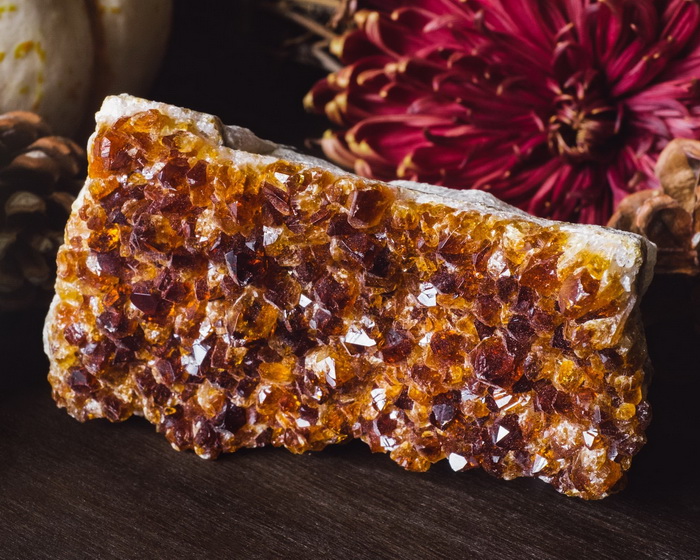
The sunny citrine stone is summer embodied. The color of lemons along the Amalfi Coast, bright as the midday sun, and with a touch of vintage Hollywood glamour, it’s impossible not to fall in love with the uplifting vibrations that citrine brings to the table.
Bright and lively, this stone is actually a special variety of quartz, infused with a warm golden hue.
Citrine comes from the highlands of Scotland, the flamenco corners of Spain, the tropical lands of Madagascar, the rich and regal soils of Russia, and the lush green rainforests of Brazil.
Perhaps these faraway places fill it with good vibrations, or maybe it’s Mother Nature’s way of reminding us that when life gives you lemons, it’s perfectly fine to make lemonade.
As early as the 3rd century BC, the golden glow of citrine crystals was loved as a bright and decorative gemstone.
Ancient Greek and Roman jewelers used citrine to adorn rings meant for important fingers. Yet even as time passed, citrine never lost its place as a favorite gemstone.
Queen Victoria also adored citrine and used it to make a statement in her 17th-century outfits. Later, during the new era of Hollywood royalty, stars like Greta Garbo wore citrine on the red carpet, making it an immortal element of Art Deco style.
The meaning of citrine comes from the word for lemon, and it’s that sweet and tangy citrus energy that we love so much.
Citrine in the Zodiac World
Although you may associate citrine with those soft summer days, it is actually the birthstone for the winter month of November. While that may seem surprising at first, it makes sense — as the dark winter nights draw in, it’s the time when we crave light the most.
Although associated with November, when it comes to zodiac signs, it seems that Aries, Leo, and Libra fall most deeply in love with citrine’s sunny personality.
Citrine works wonders with the Aries nature. Those born under Aries can sometimes feel uncertain due to their competitive streak, which can make it hard to accept feedback from the world.
Since citrine helps you stay safe and secure in your own skin, it means that unkind words or criticism will no longer shake your spirit. Aries is also highly driven, and citrine helps direct that energy into something purely positive.
Libras, on the other hand, draw different strengths from adopting citrine as their zodiac stone. Libras are shapeshifters who can be indecisive, as they like to fit in and avoid making the “wrong” choice.
Citrine is an incredible stone that helps this sign align with its own intuitive power and recognize the weight and wonder of its inner strength.
| Daya (Daya) | Daya |
 I am a huge enthusiast of creating new handmade beauties, whether it is with beads, paper and pen, canvas and acrylic, or yarn. Every form of art or intricate crafting brings additional inspiration! If you are curious about what else we can make and craft with art and craft materials, stay tuned for updates in the blog and, of course, feel free to share your ideas!
| All articles on Daya |
Rate the article 5/5 from 2 grades. |
|
| You have already voted for the article | |
Recommended articles
 5 Glamorous and Sparkly Halloween Makeup Ideas for Women
 DECORATIONS FOR VALENTINE DAY
 A HANDMADE BRACELET IS THE PERFECT GIFT FOR A FRIEND
 0 Comments

| 0 |

| 0 |

| 0 |

|

| 0 |

|
 Subscribe ♥
SEARCH

|

|
Categories
 New
New


Recent Posts
WHY DOES THE COLOR OF A CRYSTAL MATTER?
WOOL FOR FELTING
ADHESIVES FOR ALL YOUR CREATIVE PROJECTS
The Divine Interplay of Colors, Chakras, and Crystal Gems
Discover the Power of Your Birthstones by Month, Zodiac Sign and Day of the Week
5 Glamorous and Sparkly Halloween Makeup Ideas for Women
3D MANDALA WALL DECORATION IDEA
Recent comments
BroGroup за Discover and Master the Art of 3D Pen Drawings - A Step-by-Step Guide for 2D and 3D Objects and Sculptures
Dawn Sullivan за IN THE WORLD OF QUILLING ART
Laura за THE ULTIMATE GUIDE TO CLEANSING AND CHARGING GARNET
JER за Discover and Master the Art of 3D Pen Drawings - A Step-by-Step Guide for 2D and 3D Objects and Sculptures
november birthstone за Discover the Power of Your Birthstones by Month, Zodiac Sign and Day of the Week
