



 0 Commentа
 Printing
 07.11.25
 10.11.21
CREATIVITY AND CHILDREN
WHY SHOULD CHILDREN CREATE?
Creativity is the freest form of self-expression. There is nothing more satisfying and fulfilling for children than being able to express themselves openly and without judgment.
The ability to be creative—to create something from personal feelings and experiences—can reflect and nurture a child’s emotional health. The experiences children have during their early years can greatly enhance the development of their creativity.
The Importance of the Creative Process
All children need the freedom to fully engage in their efforts and to take ownership of the activities they do. The most important aspect of any creative act is the process of self-expression.
Creative experiences can help children express and cope with their emotions. A child’s creative activity can also help teachers learn more about what the child may be thinking or feeling.
Creativity also fosters mental growth in children by providing opportunities to try out new ideas and new ways of thinking and problem-solving.
Creative activities help recognize and celebrate the uniqueness and diversity of children, and offer excellent opportunities to personalize our teaching and focus on each individual child.
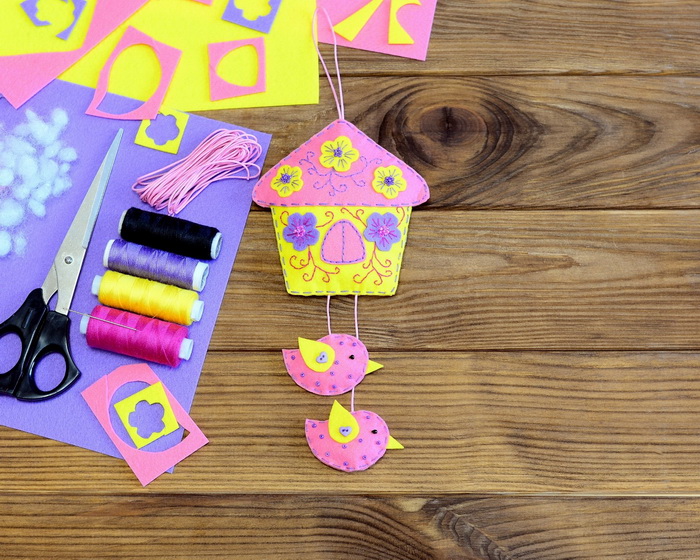
Opportunities for Creativity
Children need many opportunities for creative play and creative thinking. Start by providing activities that are based on children’s own interests and ideas.
This means learning how to listen carefully to what children are saying. It is very helpful to record and transcribe children’s conversations, as well as take notes and review them with your colleagues.
Don’t forget to offer children a wide variety of creative materials and experiences. Being creative is more than just drawing. There’s photography, music, field trips, working with wire, clay, paper, wood, water, or shadows.
The possibilities are endless. It’s important to give children plenty of time to explore materials and bring their ideas to life. This includes time to think, plan, design, construct, experiment, and revisit project ideas. Remember to build in time to discuss these ideas with others—teachers and peers alike.
Variety of Experiences
Look for ways to provide multicultural, multiethnic, and community experiences for children. Activities such as field trips, celebrating holidays, and engaging with other ethnic groups—as well as encouraging children to invite visitors to school—enhance the creative process.
The more diverse the experiences children have in their lives, the broader their range of creative expression. The more personal experiences children have with people and situations beyond their own environment, the more material they can draw on in their play.
Encouraging the Creative Process
Encouraging children to make their own choices is essential. They should be given frequent opportunities—and plenty of time—to experience and explore expressive materials. Focus on the creative process rather than the finished product.
What children learn and discover about themselves is vital to their development. Show your support for the creative process by valuing and encouraging children’s efforts. Independence and control are key components of creativity. This is especially true when working with children with disabilities.
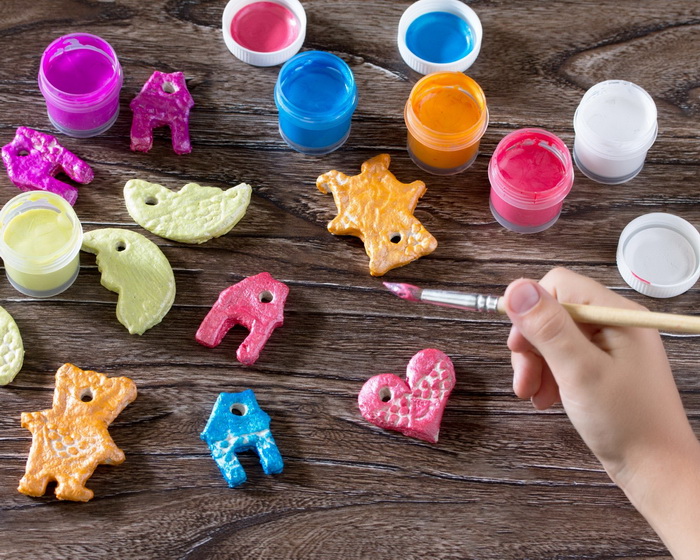
Creative Play
One of the most important types of creative activity for young children is creative play. Creative play occurs when children use familiar materials in new or unusual ways and when they engage in role play and imaginative games.
Nothing strengthens the creative spirit and nurtures a child’s soul more than providing long stretches of time for spontaneous, self-directed play throughout the day. Play is the serious work of childhood, and the opportunity to play freely is vital to healthy development.
From an early age, play supports physical development by encouraging sensory exploration and motor skill growth. Through play and repetition of basic physical skills, children refine their abilities and become increasingly competent at more challenging physical tasks.
Play fosters mental development and encourages new ways of thinking and problem-solving. Through block play, for example, children face mental challenges involving measurement, balance, equality, shape, spatial relationships, and physical properties.
One of the strongest benefits of play is the way it enhances social development. Playful social interactions begin at birth. Dramatic play helps children experiment with and understand social roles.
It also gives them countless opportunities to acquire social skills while playing with others. Through dramatic play, children gradually learn to consider the needs of others and to value different perspectives and viewpoints.
Through play, children can express and manage their emotions. Play also helps relieve stress and tension. It allows them simply to be themselves. There’s no need to conform to adult standards during play.
Creativity gives children the opportunity to gain mastery over their environment. They control the experience through imagination and exercise their powers of choice and decision-making as they progress through projects.
Play helps develop each child’s unique perspective and individual style of creative expression. It reflects the child’s personal and distinctive responses to the environment.
Play is a self-expressive activity that draws upon the strengths of a child’s imagination. Play is open-ended, free-form, and gives children the freedom to try out new ideas, as well as build upon and experiment with old ones.
Creativity provides an excellent opportunity to integrate and include children with disabilities in your program. The opportunities that creativity offers for control and independence are important for every child—but especially for those with additional needs.
Creative work should be the result of children’s own ideas, not directed by adults. Through play, we should aim to encourage children’s ability to express themselves freely.
We should also help children create from their own inspiration—not ours. Our goal is to stimulate, not to control, and to foster children’s satisfaction in their own accomplishments.
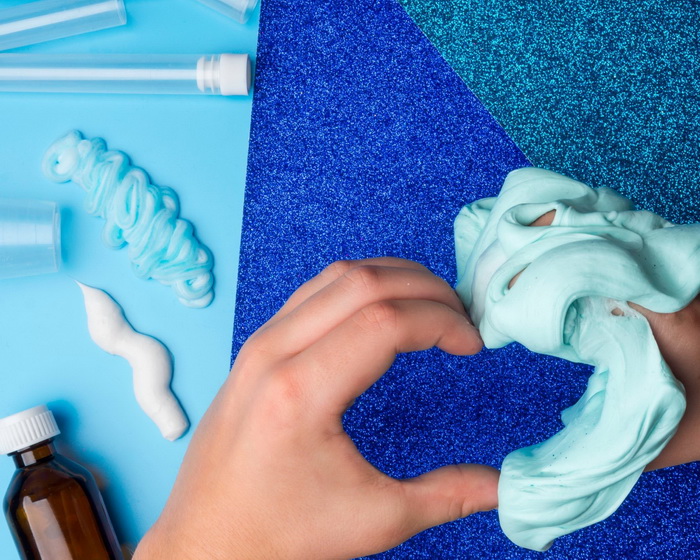
3 Benefits of Creativity for Children
1. Builds Skills and Improves Academic Performance
Making art can dramatically enhance your child’s fine motor skills and strengthen their creative problem-solving abilities.
Activities such as cutting and gluing paper, finger painting, and others can help children develop better coordination and dexterity, while stringing beads and sculpting clay can improve visual-spatial skills.
Over time, research shows that building these skills leads to better academic outcomes for children across other subjects, including writing, literacy, math, and science.
In fact, a report by Americans for the Arts concluded that children who regularly participate in art activities are four times more likely to be recognized for academic achievement!
2. A Voice Beyond Words
Children often use art to help them process their experiences and cope with overwhelming emotions. Art provides essential sensory input and helps children express feelings in multidimensional ways, even when they lack the vocabulary to describe them.
Even when they’re not creating art themselves, simply being surrounded by art can provide enough sensory stimulation to spark their imagination and engage their curiosity.
3. Encourages Innovation
Art fosters creativity and imaginative thinking—two skills increasingly linked to long-term professional success. Art encourages children to think outside the box and helps them refine their creative problem-solving abilities.
According to the International Child Art Foundation, “Research shows that a child exposed to art develops a special ability to think creatively, to be original, to discover, innovate, and create intellectual property—key attributes for personal success and social prosperity in the twenty-first century.”
| Daya (Daya) | Daya |
 I am a huge enthusiast of creating new handmade beauties, whether it is with beads, paper and pen, canvas and acrylic, or yarn. Every form of art or intricate crafting brings additional inspiration! If you are curious about what else we can make and craft with art and craft materials, stay tuned for updates in the blog and, of course, feel free to share your ideas!
| All articles on Daya |
Rate the article 5/5 from 1 grades. |
|
| You have already voted for the article | |
Recommended articles
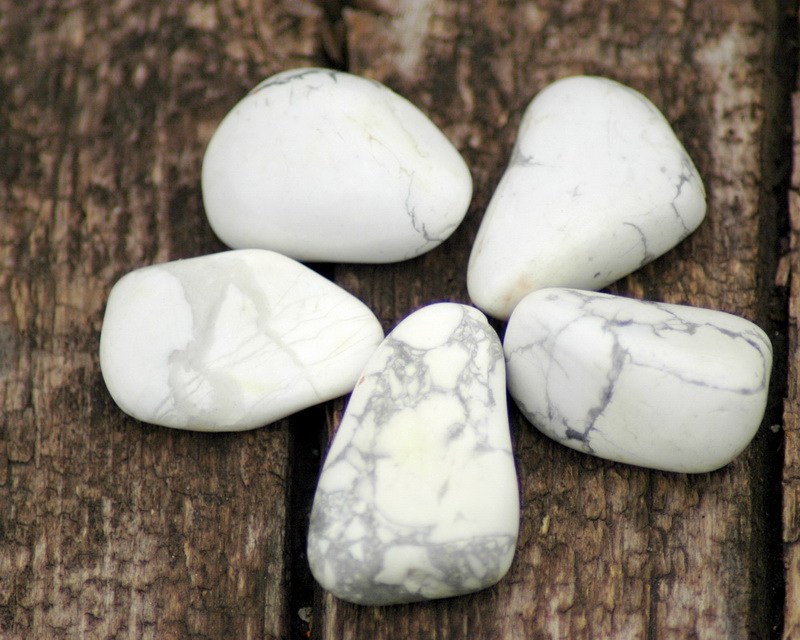 THE ENCHANTING WORLD OF HOWLITE
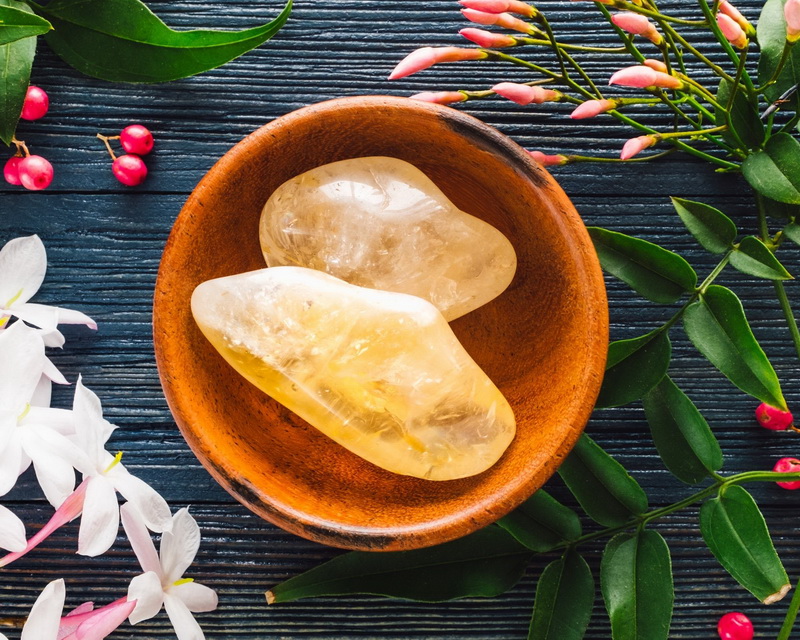 A GLIMPSE INTO THE WORLD OF CITRINE AND ITS PROPERTIES
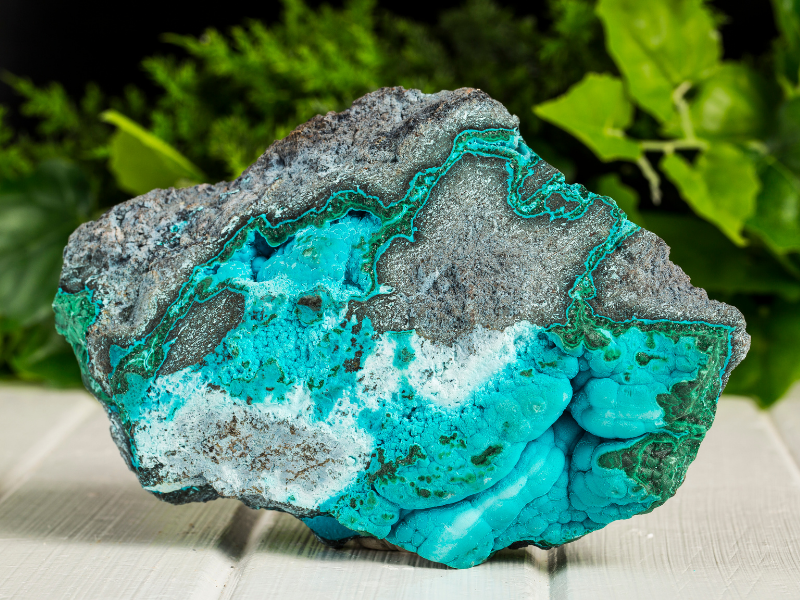 MALACHITE THE STONE OF MONEY
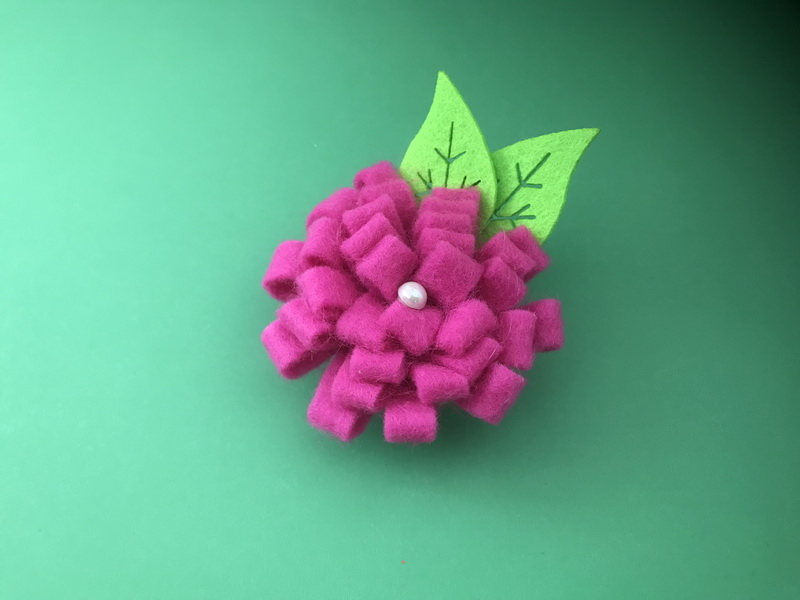 HOW TO MAKE A FELT FLOWER
 0 Comments

| 0 |

| 0 |

| 0 |

|

| 0 |

|
 Subscribe ♥
SEARCH

|

|
Categories
 New
New


Recent Posts
WHY DOES THE COLOR OF A CRYSTAL MATTER?
WOOL FOR FELTING
ADHESIVES FOR ALL YOUR CREATIVE PROJECTS
The Divine Interplay of Colors, Chakras, and Crystal Gems
Discover the Power of Your Birthstones by Month, Zodiac Sign and Day of the Week
5 Glamorous and Sparkly Halloween Makeup Ideas for Women
3D MANDALA WALL DECORATION IDEA
Recent comments
BroGroup за Discover and Master the Art of 3D Pen Drawings - A Step-by-Step Guide for 2D and 3D Objects and Sculptures
Dawn Sullivan за IN THE WORLD OF QUILLING ART
Laura за THE ULTIMATE GUIDE TO CLEANSING AND CHARGING GARNET
JER за Discover and Master the Art of 3D Pen Drawings - A Step-by-Step Guide for 2D and 3D Objects and Sculptures
november birthstone за Discover the Power of Your Birthstones by Month, Zodiac Sign and Day of the Week
