



 0 Commentа
 Printing
 06.11.25
 26.02.21
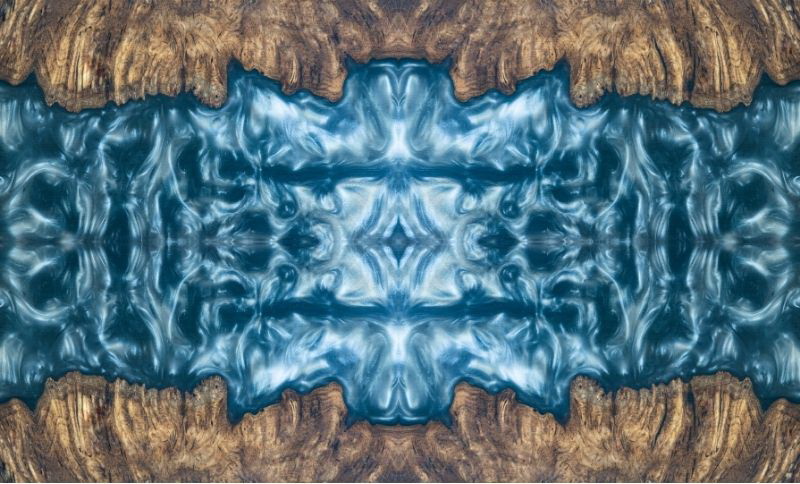
EPOXY RESIN THE TOTAL HIT OF 2021
Epoxy resin is a two-component material made up of resin and hardener.
When the two components are mixed, a chemical reaction occurs that allows the liquid resin to gradually harden. The result is a clear, glossy consistency.
It is a thermosetting polymer with excellent wear resistance and is one of the most versatile materials.
Resin can be applied to wood, concrete, glass, plexiglass, ceramics, metal, and other smooth surfaces. Kitchen countertops and furniture can also be coated with it. However, it is not suitable for use on canvas, as the fabric will loosen due to the resin’s weight.
Color pigments such as powders, liquids, inks, acrylic, and spray paints can be added to the resin. Before applying the chosen colors, it is best to test them on a small surface to see how they will look.
Depending on the pigments used, you can achieve different shades.
When working with resin, do not add water, as it will ruin the thick consistency, making it too liquid and preventing it from hardening properly.
Epoxy resin is extremely resistant to external factors such as sunlight, moisture, low and high temperatures, and wind. It does not crack or crumble.
What is epoxy resin used for?
Encasing floral decorations
Encasing real flowers in epoxy resin is an old and incredibly beautiful technique.
It uses dry or fresh flower petals, leaves, and stems. The purpose of the resin is to preserve them in their current form and protect their beauty over time.
This method is used to make pendants, keychains, and small decorative keepsakes.
You can use any type of flower – daisies, orchids, roses, violets, clovers, and more.
Before starting, make sure your workspace is clean and free of dust or small particles that could get trapped in the resin.
To create the casts, you’ll need molds for pouring. Pour a small amount of resin into the mold, place the flower carefully with tweezers for precision, then cover it with the remaining resin.
Let it dry, then remove the finished cast from the mold. The result will amaze you. These pieces can be made in various shapes – oval, rectangular, heart-shaped, elongated, triangular, and more.
You can leave the resin clear or add a pigment to enhance the design.
Resin molds
When working with epoxy resin, you should have a clear idea of what you want to create because once hardened, the material cannot be melted again. This is due to the chemical reaction between the resin and the hardener.
If you add glitter or colored stones to your casts, you will create beautiful highlights. You can also include geodes, which are very trendy right now. This will make your creations even more unique.
Coating dining tables and kitchen countertops
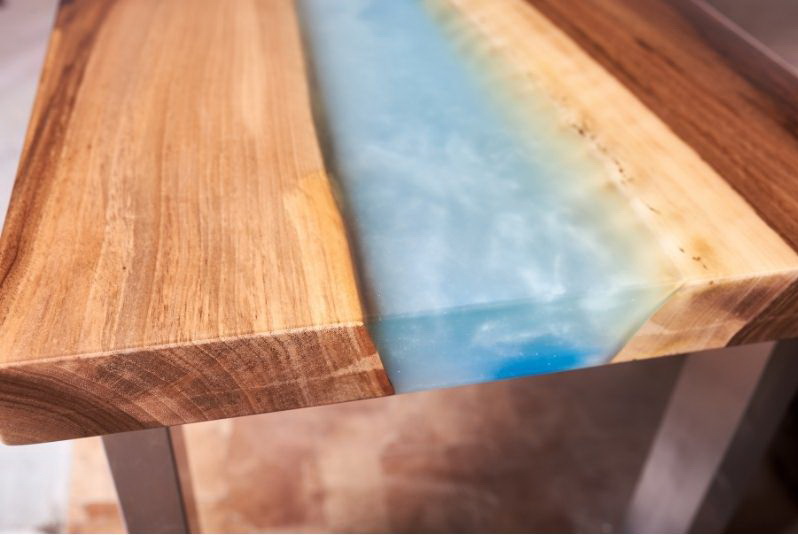
The truth is that epoxy resin can be used to create wonders on a larger scale. Stunning examples include kitchen countertops or tables covered with self-hardening transparent resin.
This is a great idea to enhance the look of your home or office. You will need a sufficient amount of resin, depending on the size of the surface you will decorate, and small elements to embed in the material.
You can use flowers, metal accents, geodes, stones, wooden figures, textile pieces, and any other objects suitable for embedding.
To prevent the resin from spilling over the table edges, use metal or wooden strips as temporary borders.
Arrange the items you want to embed and start pouring, ensuring an even distribution of the resin.
Make sure the resin is leveled across the surface. Allow it to dry and carefully remove the border strips.
The result will take your breath away — a unique, transparent surface decorated with small, beautiful elements. This is a wonderful and easy way to transform plain tables and countertops into something original and truly elegant.
Art panels
With epoxy resin, you can also create stunning art panels. Choose a base for your pour — it can be glass, plastic, metal, or wood.
Add embedding elements and start pouring the resin. You can cover only a part of the surface or the entire piece. You can even create art panels featuring insects such as butterflies or beetles. It’s a perfect way to preserve your collection in beautiful, lasting form.
Decorating objects
Epoxy resin is also used for decorating various types of items such as candle holders, souvenirs, holiday decorations, glass cups and plates, lanterns, and more.
Jewelry making
If you enjoy creating handmade jewelry, epoxy resin will serve you perfectly. With it, you can make unique elements for bracelets, necklaces, earrings, and rings.
There are two ways to make the components. The first is to use ready-made metal bases on which you can pour the resin directly, or first create shapes in soft molds and then attach them to the metal backing.
The second option is to use molds only, then carefully drill a small hole in the hardened piece to thread a cord or metal fitting through it. Optionally, you can paint the finished piece with acrylic paint.
Inside each resin element, you can embed dried flowers, insects, shells, stones, sea sand, and other tiny decorations.
This method is also perfect for creating keychains. You can preserve small memories from your favorite places — such as seashells from a summer trip. It’s a wonderful idea for a handmade gift that will surely delight a close friend.
| Daya (Daya) | Daya |
 I am a huge enthusiast of creating new handmade beauties, whether it is with beads, paper and pen, canvas and acrylic, or yarn. Every form of art or intricate crafting brings additional inspiration! If you are curious about what else we can make and craft with art and craft materials, stay tuned for updates in the blog and, of course, feel free to share your ideas!
| All articles on Daya |
Rate the article 5/5 from 1 grades. |
|
| You have already voted for the article | |
Recommended articles
 THE TIARA IS A FASHION TREND THAT SUITS EVERY AGE
 WHAT DO WE KNOW ABOUT A HEMATITE PENDANT AND HOW TO COMBINE IT?
 WHAT SHOULD WE KNOW ABOUT JASPER PENDANTS?
 TOP CREATIVE DIY PROJECTS FOR YOUR FAMILY HOME
 0 Comments

| 0 |

| 0 |

| 0 |

|

| 0 |

|
 Subscribe ♥
SEARCH

|

|
Categories
 New
New

Recent Posts
WHY DOES THE COLOR OF A CRYSTAL MATTER?
WOOL FOR FELTING
ADHESIVES FOR ALL YOUR CREATIVE PROJECTS
The Divine Interplay of Colors, Chakras, and Crystal Gems
Discover the Power of Your Birthstones by Month, Zodiac Sign and Day of the Week
5 Glamorous and Sparkly Halloween Makeup Ideas for Women
3D MANDALA WALL DECORATION IDEA
Recent comments
BroGroup за Discover and Master the Art of 3D Pen Drawings - A Step-by-Step Guide for 2D and 3D Objects and Sculptures
Dawn Sullivan за IN THE WORLD OF QUILLING ART
Laura за THE ULTIMATE GUIDE TO CLEANSING AND CHARGING GARNET
JER за Discover and Master the Art of 3D Pen Drawings - A Step-by-Step Guide for 2D and 3D Objects and Sculptures
november birthstone за Discover the Power of Your Birthstones by Month, Zodiac Sign and Day of the Week
